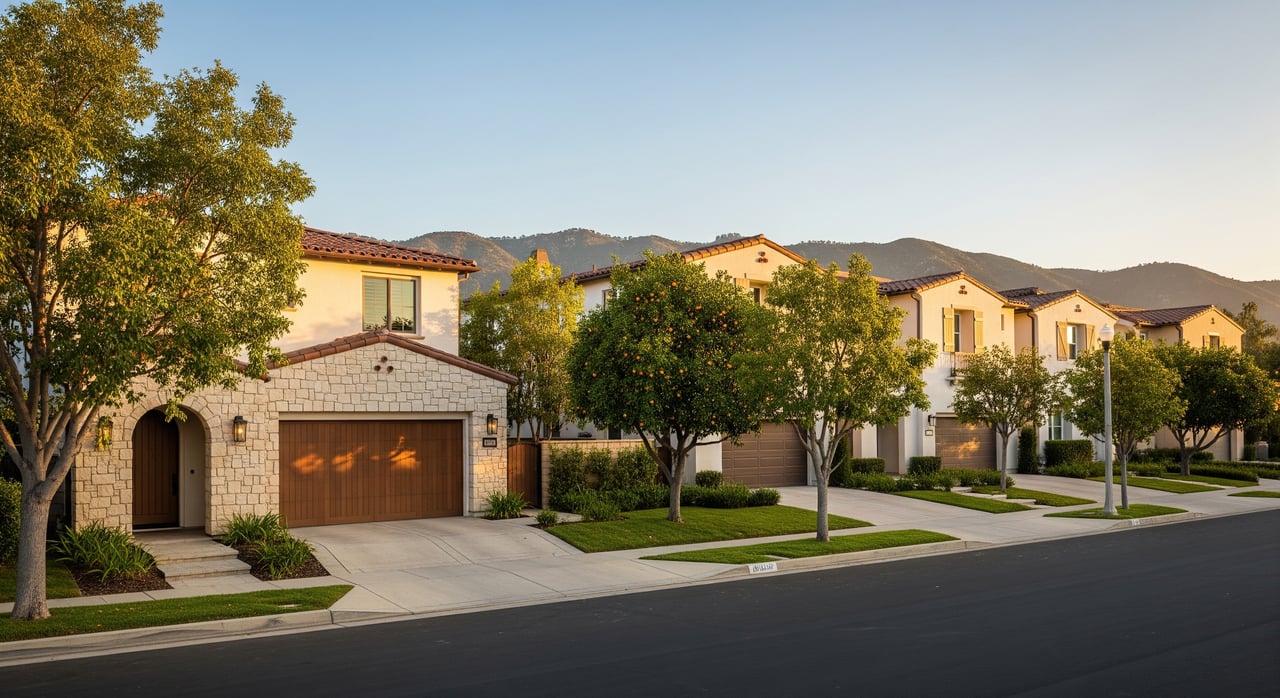
Brea HOA vs No HOA: How to Choose the Right Home
Thinking about buying in Brea and torn between an HOA community and a no‑HOA street? You are not alone. Brea offers both: older single‑family neighborhoods often without HOAs and newer planned communities and many condos or townhomes with them. In this guide, you will compare costs, rules, maintenance, and financing, plus get a checklist of documents and questions to use before you write an offer. Let’s dive in.
Brea’s housing mix includes established single‑family streets that usually do not have HOAs and planned subdivisions or condo/townhome complexes that typically do. You will likely see both options in similar price ranges. The better fit comes down to how much you value autonomy, predictable maintenance, and community amenities versus monthly dues and rules.
HOA dues vary by property type. Condo and townhome dues are often higher because they can include exterior building care, roof reserves, landscaping, trash, water, insurance on common elements, and amenities like a pool or gym. Single‑family HOAs may have lower dues that cover items such as common landscaping, private roads, gates, or community facilities.
HOAs can raise dues or levy one‑time special assessments for big repairs or budget shortfalls. A well‑funded reserve lowers the chance of surprises. For perspective on reserves and budgets, review resources from the Community Associations Institute on reserve studies and funding practices. You can learn more from the CAI’s overview of reserve studies and best practices at their reserves page.
In a condo, the HOA’s master policy typically covers common areas and sometimes parts of the building structure, but you still need your own HO‑6 policy to cover interior finishes and personal property. For single‑family homes in HOAs, you will still carry a standard homeowners policy. Lenders include HOA dues in your debt‑to‑income calculation, which can affect how much you qualify to borrow.
If you plan to use FHA or VA financing for a condo, check project approval status early. You can search the FHA condo approval database and the VA condo report to confirm eligibility and next steps.
HOAs often handle exterior maintenance, common area landscaping, trash service, and upkeep for amenities like pools, gyms, parks, and private roads. This can be ideal if you want a lock‑and‑leave lifestyle or prefer predictable maintenance. The tradeoff is less direct control over the timing, standards, and vendors used for work.
HOAs enforce covenants, conditions, and restrictions (CC&Rs) along with bylaws and rules. These can limit exterior changes, paint colors, fencing, visible equipment, parking, and even how amenities are used. Some communities also set rental guidelines or pet policies. Enforcement tools can include fines, suspension of privileges, and liens. It is important to review the rules before you make an offer so you know how they align with your plans.
An HOA is typically governed by an elected volunteer board and may hire a professional management company. Performance varies by community. Strong governance usually shows up in clear budgets, a current reserve study, regular financial statements, transparent vendor contracts, and responsive maintenance. California’s Davis‑Stirling framework sets many of the operating and disclosure rules for HOAs. You can read more about the Davis‑Stirling Common Interest Development Act on California’s legislative information site.
Watch for signs of stress like low reserves, repeated special assessments, high delinquencies, or pending litigation. These can affect both your costs and your ability to finance or resell.
Some buyers prefer HOAs for maintenance and amenities, while others prefer no‑HOA homes for autonomy or to avoid dues. Very high dues or very restrictive rules can narrow the future buyer pool. On the other hand, a well‑run HOA with appealing amenities can boost a home’s attractiveness for certain buyers. Lenders also evaluate the health of the community, especially for condos. Project‑level issues like low reserves or litigation can impact financing options.
Local comparable sales are the best indicator of resale value. Your agent can pull comps to show how similar HOA and non‑HOA homes in Brea are performing right now.
Ask the seller or listing agent for:
Request from the HOA or management (or require via contingency):
Questions for a lender:
Questions for a homeowners’ representative or property manager:
In Brea, many older single‑family neighborhoods do not have HOAs and appeal to buyers who want a yard, exterior control, or future renovation flexibility. Condo and townhome communities, and many newer planned subdivisions, often come with HOAs. These can attract buyers who want shared amenities and less day‑to‑day maintenance. You will see both options across a range of prices, so it pays to focus on lifestyle fit and total monthly cost rather than assumptions about value.
For local services and permitted uses, you can review the City of Brea’s official site. If you are buying into an HOA, California law sets disclosure standards for budgets, reserves, and access to records. You can learn about the Davis‑Stirling Common Interest Development Act on the California Legislative Information site, and you can find high‑level guidance on HOA disclosures from the California Association of Realtors.
You do not have to navigate this alone. We help you collect the right documents, compare dues, evaluate reserves, and understand how rules and amenities will affect your day‑to‑day life and resale. We also coordinate with your lender to confirm FHA or VA condo approvals when needed and pull local comps to show how similar HOA and non‑HOA homes are performing.
If you are weighing a Brea condo or townhome against a single‑family home, let’s talk through the numbers and the lifestyle. Reach out to the Brad Kerr Team for clear guidance and a plan that fits your goals.
We provide the expertise, resources, and cutting-edge tools you need to navigate the real estate market with confidence. Whether you're buying or selling, we offer insights and solutions that set us apart. Stay informed about the latest market trends and let us guide you every step of the way.

Brad Kerr Team
BRAD KERR | CA DRE# 01182768
[email protected]
(714) 366-0990
3261 N HARBOR BLVD FULLERTON CA 92835