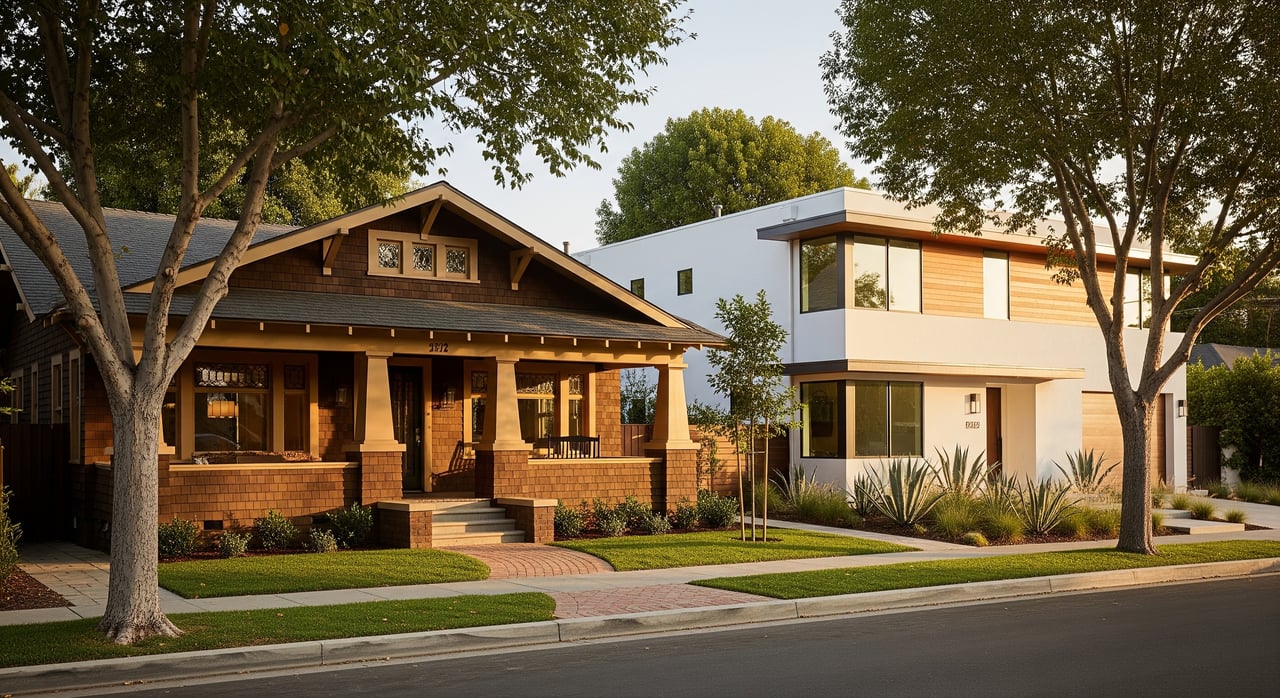
Downtown Fullerton Living: Choosing Historic or Newer Homes
Thinking about living near Downtown Fullerton but not sure if a historic bungalow or a newer tract home fits your life best? You’re not alone. Many buyers love the charm and walkability of the core, while others want the space and convenience of newer neighborhoods just a few minutes out. In this guide, you’ll compare lifestyle, commute, upkeep, and resale tradeoffs so you can move forward with confidence. Let’s dive in.
Downtown Fullerton centers on Harbor Boulevard and Commonwealth Avenue around the Fullerton Transportation Center. You’ll find restaurants, coffee shops, theaters, nightlife, and steady activity from day to night. California State University, Fullerton sits a short drive east, which adds weekday and evening foot traffic and supports strong rental demand nearby.
Regional access is straightforward. The 57, 91, and 5 freeways serve Fullerton for car commuters. If you prefer rail, the Fullerton Transportation Center connects to Metrolink and Amtrak, which is a strong perk if you work in the LA basin or elsewhere in Orange County.
Historic homes within roughly a mile of the core often date from the early 1900s to the 1940s. You’ll see Craftsman bungalows, Spanish Colonial Revival, Tudor Revival, and occasional Mission Revival or Victorian touches. Lots tend to be moderate with mature trees, sidewalks, and a human-scale street feel.
What you might love:
What to plan for:
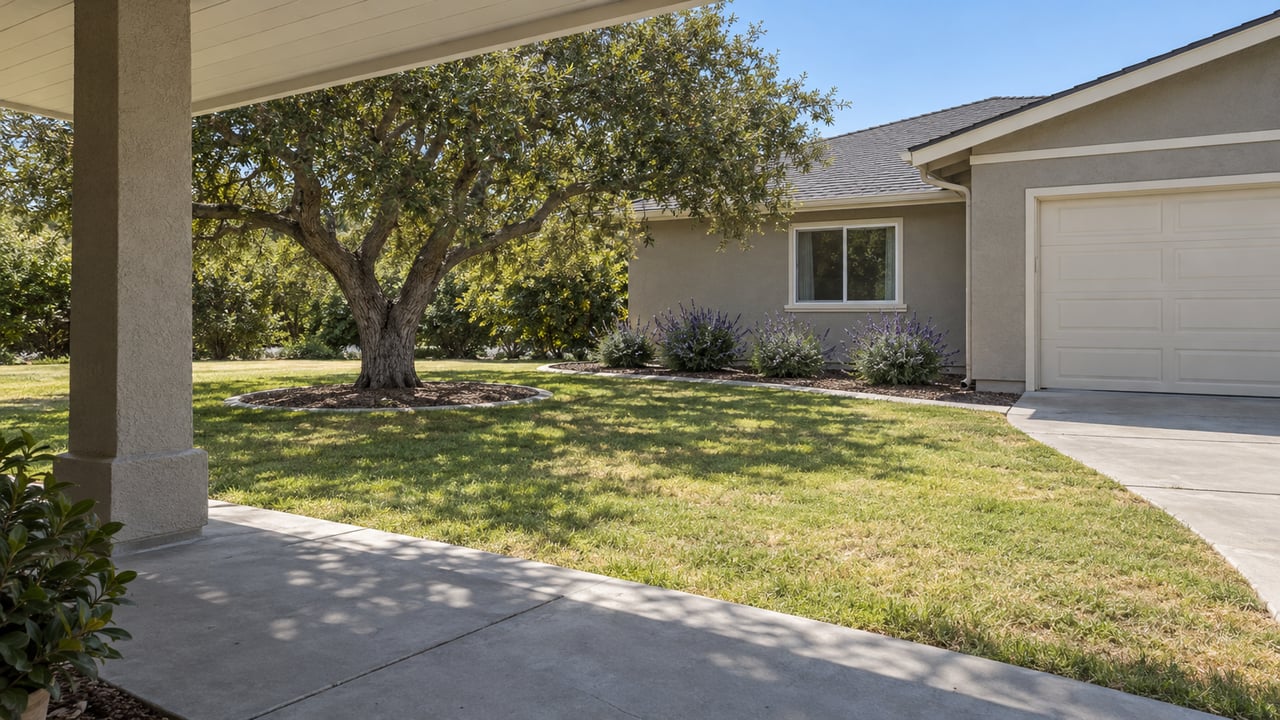
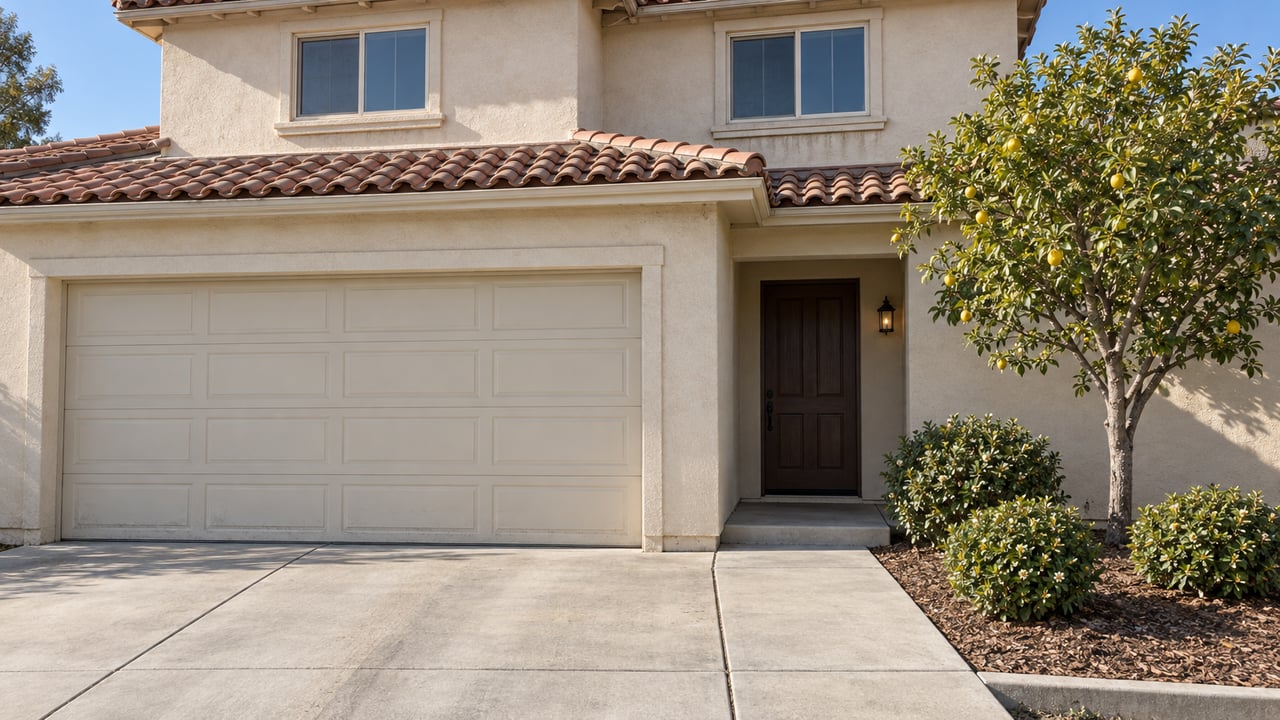
Just beyond the immediate core, you’ll find postwar ranch and mid-century tracts from the 1950s to 1990s, plus some townhome and infill options from the 2000s to 2010s. These areas are organized for car access, with driveways and attached garages.
What you might love:
What to plan for:
If you want to walk to dinner or hop a train, historic streets closest to Harbor and Commonwealth usually win. These blocks offer sidewalks, tree cover, and a short stroll to the Fullerton Transportation Center.
Newer tracts tend to require short drives for errands. That said, you can still bike into the core on several central routes. If you split your commute between train and car, living within quick reach of both the station and the 57, 91, or 5 can balance your weekly routine.
Historic areas often have narrower streets and more on-street parking. Detached garages and older driveway layouts are common, and some garages have been converted over time. During busy nights, you may see spillover parking from diners and nightlife.
Newer tracts usually offer attached two-car garages and driveways, which makes daily life simpler for multi-car households. If you consider a townhome, check guest parking policies and availability because HOA rules can affect your visitors and any extra vehicles.
Living close to downtown means more evening energy. Late-night foot traffic, restaurant activity, and parking turnover are part of the street-level soundtrack. It’s smart to visit at different times of day and on weekends to see how the vibe fits your routine.
Farther from the core, you’ll likely enjoy quieter nights and a more traditional residential rhythm. The tradeoff is fewer spontaneous walks to dinner or coffee. Decide whether daily convenience or evening calm matters more to you.
Older homes can shine with the right updates. Plan for a full inspection that checks foundation and settlement, termites, electrical capacity, plumbing type, HVAC age, and roof condition. Budget for upgrades like panel increases, plumbing replacement, window improvements, and kitchen or bath modernization.
If you want to add space or an ADU, confirm setbacks, lot coverage, and parking requirements with the City of Fullerton. If a property has historic status or sits in a local district, exterior changes may require review. Some buyers ask about state programs like the Mills Act for potential property tax benefits, so verify city participation and eligibility early.
Fullerton and greater Orange County generally see higher home values than the U.S. median. In walkable historic areas, character and location can support strong demand, but condition varies, which creates price differences even on the same block. Two Craftsman homes can price very differently depending on systems, layout, and renovation quality.
Newer homes often command a premium for square footage, newer systems, and family-friendly floorplans. HOAs can influence value based on amenities, fees, and rules. No matter your choice, look closely at recent nearby sales of similar vintage and condition to set expectations.
Street and lifestyle checks:
Condition and renovation risk:
Regulatory checks:
Market and finance:
Neighborhood and commute:
If you crave walkable evenings, a historic street near the Fullerton core can be a great match. If you want larger yards, newer systems, and quieter nights, a nearby tract home may serve you better. In many cases, your perfect spot is a short bike ride from downtown while keeping the benefits of a newer floorplan.
When you’re ready to explore real homes, get a tailored game plan that balances lifestyle, commute, condition, and resale. Reach out to the Brad Kerr Team for a local, step-by-step approach that helps you buy with confidence.

We provide the expertise, resources, and cutting-edge tools you need to navigate the real estate market with confidence. Whether you're buying or selling, we offer insights and solutions that set us apart. Stay informed about the latest market trends and let us guide you every step of the way.
Brad Kerr Team
BRAD KERR | CA DRE# 01182768
[email protected]
(714) 366-0990
3261 N HARBOR BLVD FULLERTON CA 92835