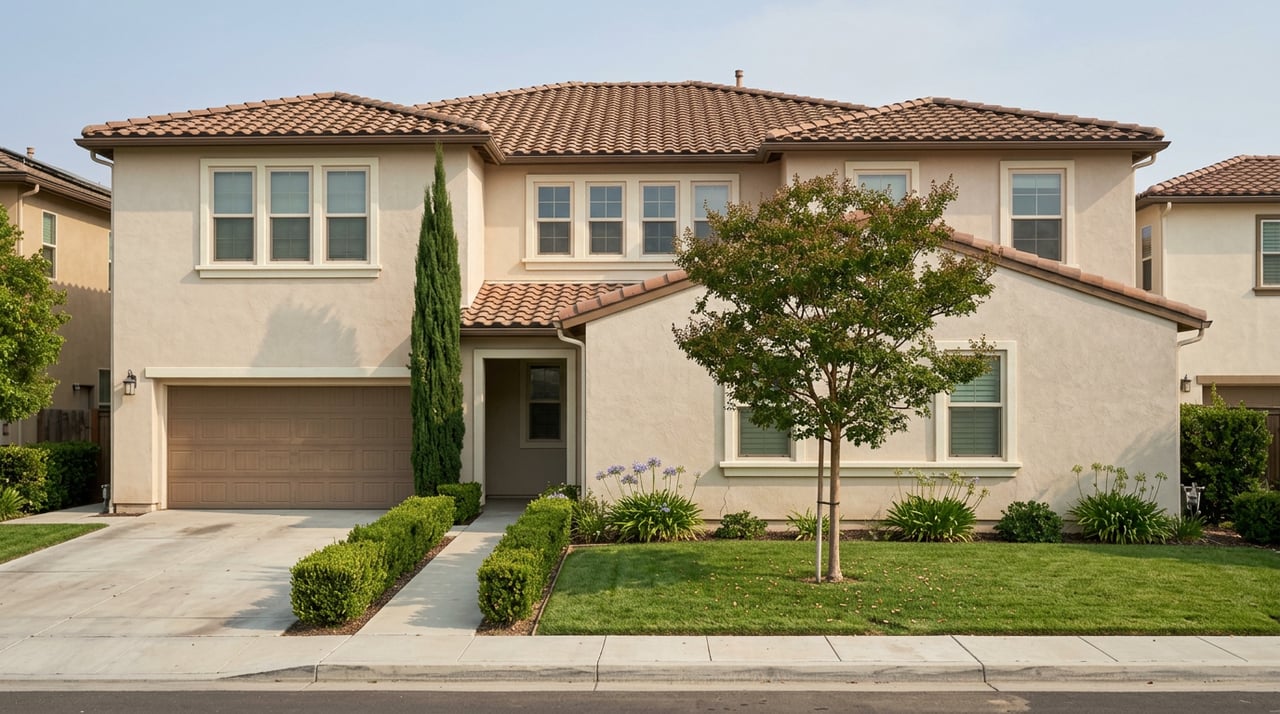
Same City, Different Inspection Report: What Whittier's Housing Eras Actually Mean at Closing
Ask a Whittier seller what their home inspector flagged and you'll get a different answer depending on which part of the city they're standing in. A homeowner near the historic core might hear about knob-and-tube wiring behind a 1920s wall. Someone up in Friendly Hills might get a note about a retaining wall the inspector wants a geotechnical engineer to look at. Someone in the flats near Whittier Narrows might not hear about either one.
That's the part generic "get a home inspection" advice skips. Whittier isn't one housing market wearing one zip code. It's four or five distinct construction eras stitched together by city limits, and the inspection report a buyer receives is shaped almost entirely by which era their address falls into. Treat the whole city like one market and you'll either overprepare for problems your house doesn't have, or get blindsided by ones you didn't know to expect.
Whittier was founded in 1887 by Quaker settlers and incorporated in 1898, which makes it one of the oldest cities in southeast Los Angeles County. That history is visible on the ground. Uptown and the surrounding original neighborhoods still carry 1900s and 1910s Craftsman homes alongside 1920s and 1930s Spanish Colonial Revival stock. Move outward and the city tells a different story: 1950s flatland tracts that look like their neighbors in Downey or Norwalk, and northern foothill neighborhoods toward Turnbull Canyon and the Puente Hills built from the 1960s through the 2000s on graded hillside pads.
Here's how that breaks down for anyone reading an inspection report:
| Whittier Pocket | Typical Housing Stock | What Inspectors Tend to Flag |
|---|---|---|
| Uptown and the historic core | Pre-1940 Craftsman and Spanish Colonial, raised foundations | Knob-and-tube wiring, galvanized supply piping, cripple-wall bracing, unreinforced masonry chimneys |
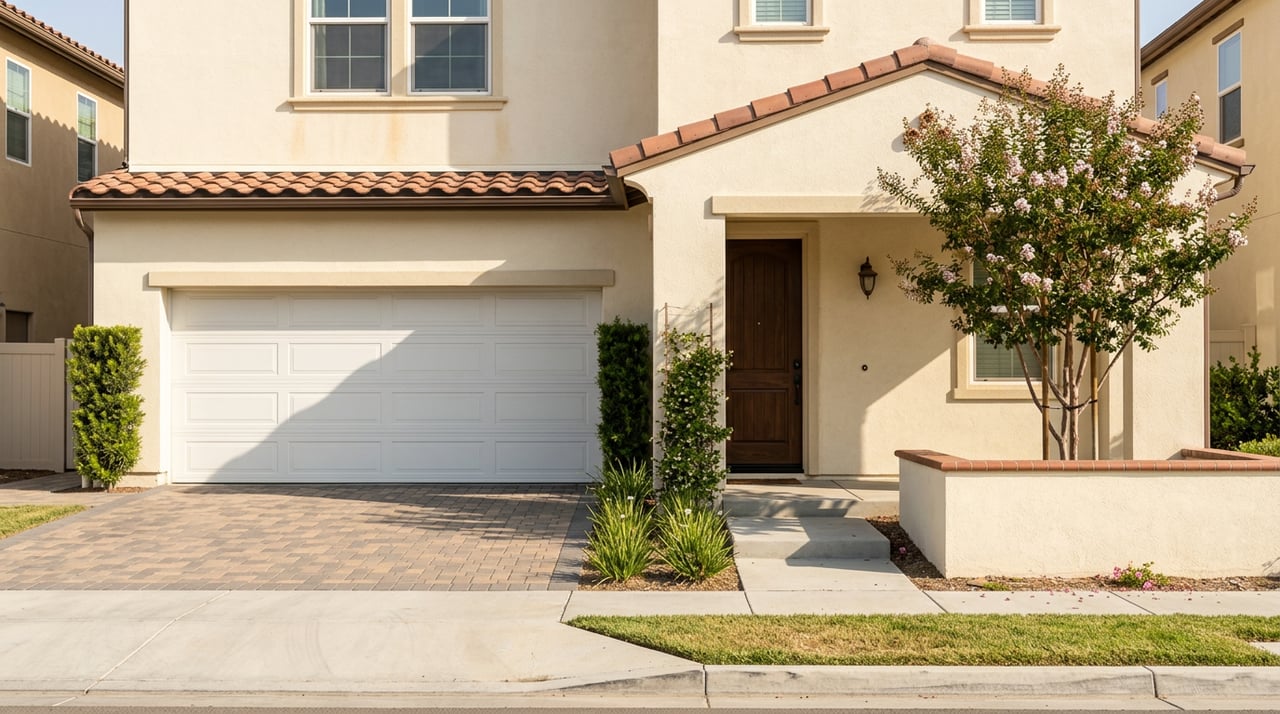
| Friendly Hills and East Whittier | 1960s-2000s hillside construction on graded pads | Slope stability, drainage and retaining walls, partial wildfire-zone exposure |
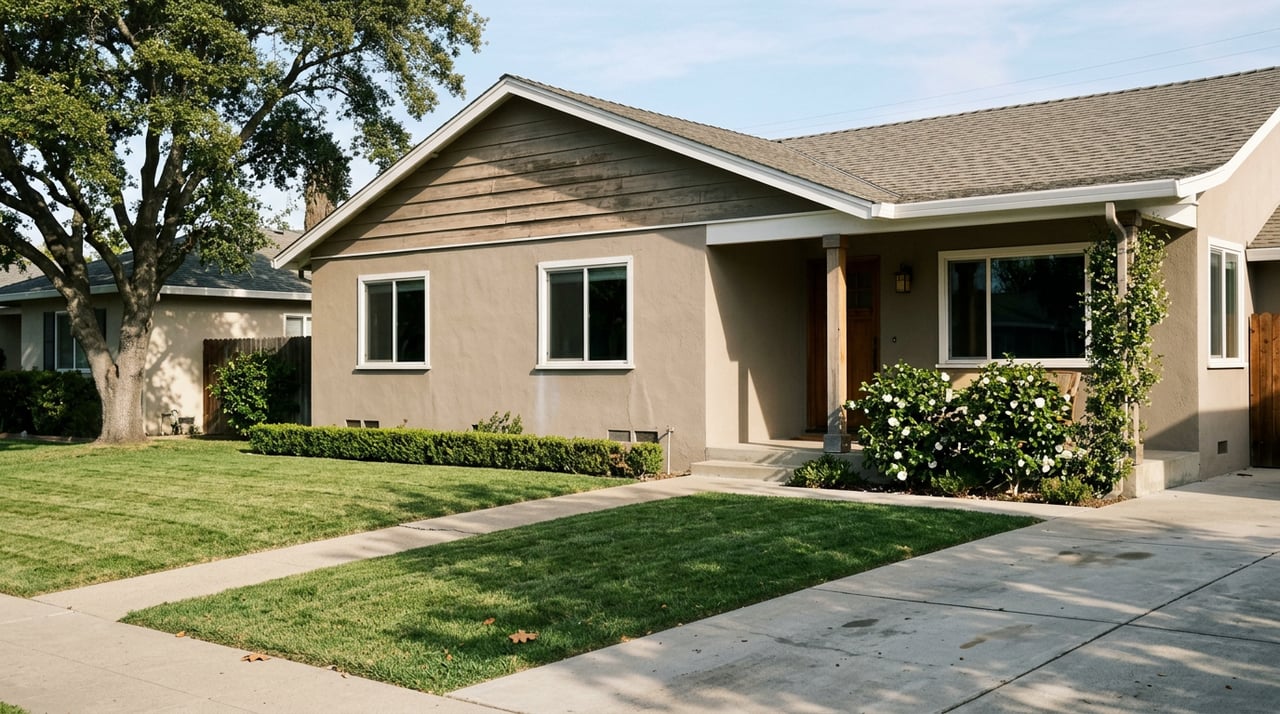
| Michigan Park and the Whittier Narrows edge | Post-war flatland tracts | Drainage near the wash, original 1950s-era systems behind later remodels |
| Los Nietos, Hadley, and Greenleaf corridors | Older, modest, mixed-era stock | A blend of the above depending on the specific block and build year |
None of these findings mean a house is a bad buy or a hard sell. They mean the conversation a seller needs to have before listing is different depending on the pocket, and a buyer's contingency period should be spent asking different questions.
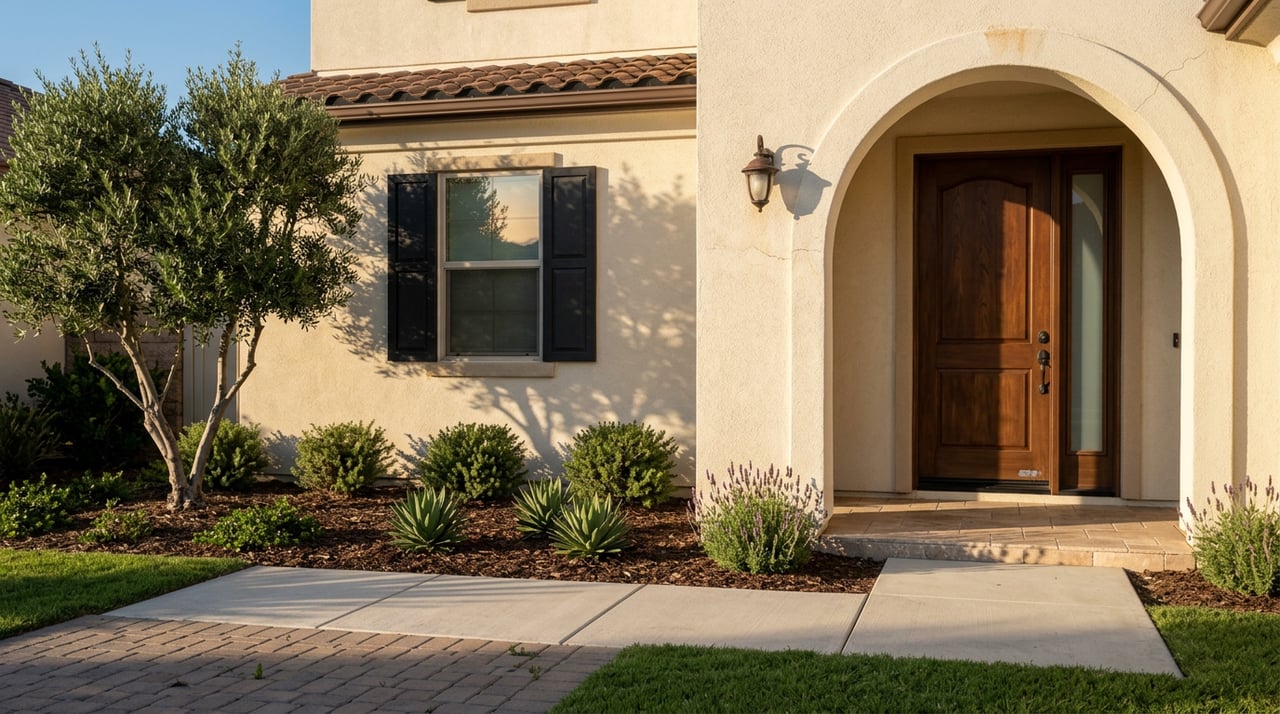
If your listing sits in Uptown or one of the original neighborhoods around Whittier College, the inspector isn't going to be surprised by knob-and-tube wiring or galvanized pipe. They expect it, because pre-1940 Craftsman and Spanish Colonial homes were built with the materials of their era, not ours. What matters is documentation, not alarm. A good inspector working this housing stock will look at the visible foundation, the connection between the house and that foundation, the condition of any cripple walls, and whether prior owners already did retrofit work.
This is where a pre-listing inspection earns its cost. If a seller in the historic core waits for the buyer's inspector to discover original wiring behind a 2015 kitchen remodel, that becomes a negotiation surprise in week two of escrow. If the seller already has documentation that the panel was upgraded, or that a cripple-wall retrofit happened five years ago, the same finding becomes a non-issue instead of a credit request.
Move north into Friendly Hills or East Whittier and the questions change entirely. These neighborhoods climb into graded hillside pads, which means slope stability, drainage, and retaining walls carry real weight in an inspection. Some of these parcels also sit in a Cal Fire Hazard Severity Zone, which is a separate disclosure conversation from anything structural.
None of this means a hillside home is riskier to buy. It means the inspection scope is naturally wider, and sellers who get ahead of it, documenting existing retaining walls, showing that grading and drainage have been maintained, tend to move through escrow with fewer stalls. A buyer's lender may also want a geotechnical opinion before final approval on certain hillside parcels, so building that time into the closing calendar up front avoids a late surprise.
Head toward Michigan Park and the Whittier Narrows edge and you're mostly looking at post-war tract construction from the 1950s. The bones are younger than the historic core, but that doesn't mean the inspection is simpler. Original systems from that era, plumbing, panels, sometimes heating, are often still tucked behind a later remodel, and an inspector will try to date what's original versus updated. Proximity to the wash also puts drainage awareness on the list, particularly after a wet winter.
The practical takeaway for a seller here: if you've updated the kitchen or added a room, keep the permit paperwork. Inspectors and appraisers both look for square footage, wiring, and layout changes that don't match what's on file with the city.
The Los Nietos edge and the Hadley and Greenleaf corridors don't fit neatly into either category above. This stretch holds a genuine mix of older, modest homes from different decades, which means the inspection findings here depend more on the individual block and build year than on a single neighborhood-wide pattern. A seller on this corridor is better served by a pre-listing walk-through that treats the house on its own terms rather than assuming it matches either the historic core or the newer hillside stock.
As of January 1, 2026, the City of Whittier adopted the 2025 California Building Standards Code, along with updated residential, electrical, mechanical, plumbing, energy, and green building codes. Anyone planning to pull a permit for pre-sale renovation work, a kitchen remodel, an electrical panel upgrade, a bathroom addition, is now working under this newer code cycle, not the one that governed a project started in 2025.
That matters most for sellers in the historic core weighing whether to finally address original wiring or plumbing before listing, and for sellers anywhere in the city planning a permitted addition. The updated code can change what an inspector expects to see on a completed permit job, which is worth a conversation with a licensed contractor before assuming last year's renovation budget still applies. The City's Building & Safety division at 13230 Penn Street handles plan checks and permits directly, and it's the right first call before any permitted pre-listing work begins.
Does every Whittier inspector look for the same things regardless of neighborhood? No. A competent local inspector adjusts scope to the housing era. A pre-1940 Craftsman gets checked for knob-and-tube and cripple-wall bracing. A Friendly Hills hillside home gets checked for slope and drainage. Asking your inspector directly how they scope for your specific pocket is a fair question before you hire one.
Do I need a specialist for a hillside home? Often yes. Slope stability and retaining wall condition frequently call for a geotechnical or structural engineer's opinion beyond what a general home inspector covers, particularly in Friendly Hills and East Whittier.
If I'm not renovating, does the January 2026 code change affect my sale at all? Not directly. The updated code applies to new permitted work, not to a home as it exists today. It only becomes relevant the moment you or a future buyer pulls a permit.
Every one of these findings is normal for a city with Whittier's building history. What separates a smooth escrow from a stressful one is knowing which conversation applies to your address before the report lands in your inbox.
If you're weighing whether to list this year, or want a read on what your specific pocket of Whittier is likely to surface at inspection, the Brad Kerr Team can walk your property with that context in mind. Request a Free Home Valuation to start the conversation.

We provide the expertise, resources, and cutting-edge tools you need to navigate the real estate market with confidence. Whether you're buying or selling, we offer insights and solutions that set us apart. Stay informed about the latest market trends and let us guide you every step of the way.
Brad Kerr Team
BRAD KERR | CA DRE# 01182768
[email protected]
(714) 366-0990
3261 N HARBOR BLVD FULLERTON CA 92835