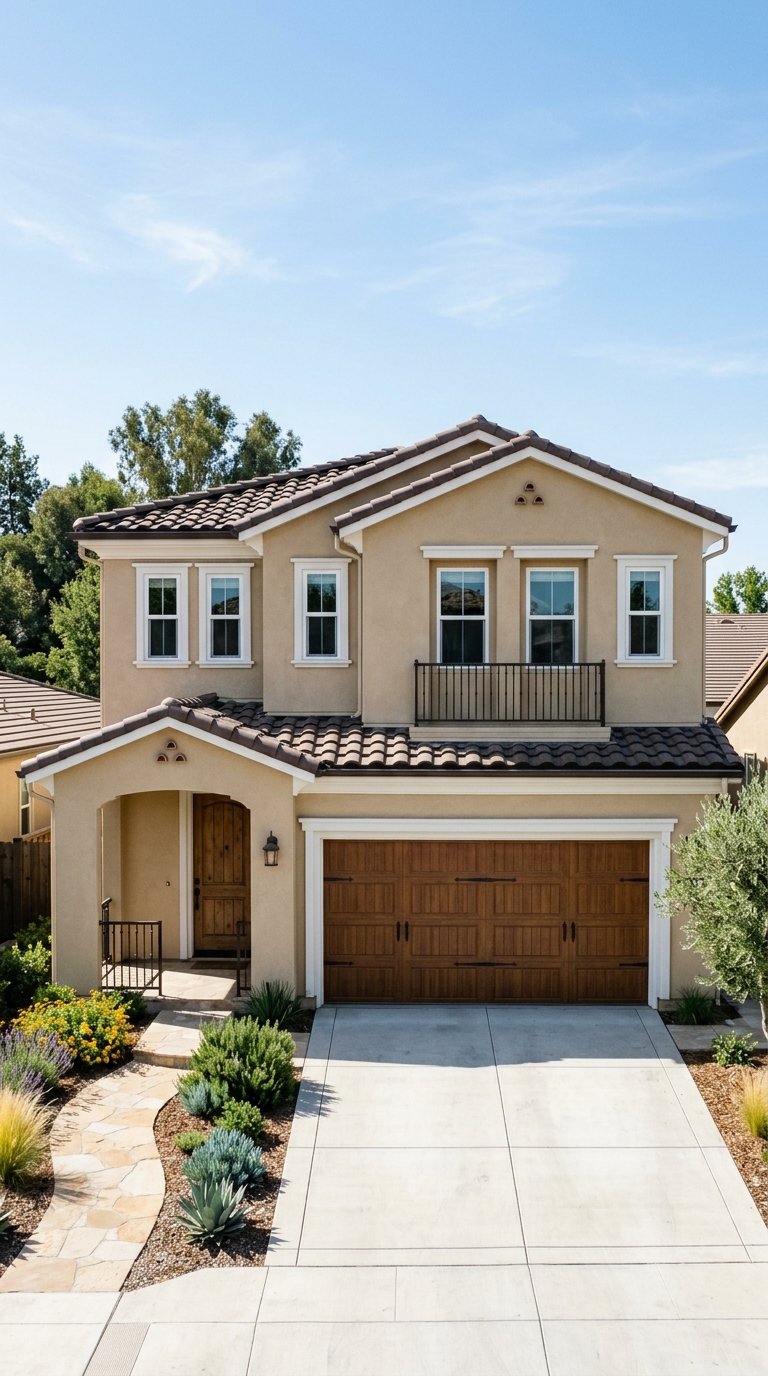
Should You Sell A Placentia Rental Home Now
Wondering whether now is the right time to sell your Placentia rental home? If you own a single-family property here, the answer depends less on headlines and more on your numbers, your tenant situation, and the condition of the house. In this guide, you’ll see what the current Placentia market is telling you, when selling may be the smarter move, and when holding could still make sense. Let’s dive in.
Placentia is still a competitive housing market, which matters if you are thinking about selling a rental home. Redfin reports a median sale price of $1,174,297 for the three months ending May 2026, up 7.7% year over year. Homes averaged 36 days on market and received about 2 offers per home.
Zillow shows similar strength, even though its data is measured differently. As of June 30, 2026, Zillow reported a typical home value of $1,117,757, a median sale price of $1,210,000 for May 2026, 84 homes in inventory, and a median sale-to-list ratio of 1.006. Taken together, those numbers suggest buyers are still active and well-priced homes can sell close to asking.
Orange County also remains supportive for sellers. Redfin shows a countywide median sale price of about $1.3 million over the last three months, up 4.7% year over year, while Zillow reports a typical Orange County value of $1,194,969 with homes pending in around 18 days. By comparison, Placentia appears to trade a bit below the county median, which can keep it attractive to buyers looking within northern Orange County.
For many landlords, the best reason to sell now is simple: equity. If your rental has appreciated over the last several years, today’s pricing may give you a chance to turn that equity into usable cash. That can be especially appealing if you want to simplify your finances, reduce landlord responsibilities, or move capital into another investment.
Mortgage rates also matter in a hold-versus-sell decision. Freddie Mac reported the average 30-year fixed mortgage at 6.55% as of July 16, 2026. If you would need to refinance or buy another property with new financing, borrowing is still relatively expensive.
That does not automatically mean you should sell. But if your rental has weak cash flow, little debt, or a large amount of trapped equity, selling now may be easier to justify. In that case, the current market gives you a realistic window to exit from a position of strength rather than stress.
A big issue for many Placentia rentals is age. According to SCAG’s local housing profile, a large share of Placentia homes was built in the 1970s, with another major group built in the 1960s. That means many owners may be dealing with aging roofs, HVAC systems, plumbing, electrical panels, windows, or dated interiors.
If your rental is heading into a repair cycle, selling before those costs pile up may protect more of your equity. A home that needs several major updates can quickly turn a decent rental into a capital drain. Even if the market is solid, you should compare the cost of repairs with the likely increase in sale price before deciding.
This is especially important because Placentia has a large share of single-family detached housing. SCAG reports that 70.4% of the city’s housing stock is single-family detached. In a market like that, presentation matters, and homes that show clean, updated, and move-in ready often compete more effectively for buyer attention.
Selling is not the obvious answer for every owner. Rental demand in Placentia still appears meaningful, and that can support a hold strategy if your numbers work. Zillow’s rental manager data shows an average Placentia rent of $2,895, while Census QuickFacts lists median gross rent at $2,388.
Those two numbers measure different things, so they should be treated as rough context rather than exact comparables. Still, they point to a market where renters remain active. If your home is leased at or near market rent and your expenses are controlled, holding may still be a sensible choice.
Vacancy risk also looks manageable, though not harmless. The 2024 ACS shows Orange County’s rental vacancy rate at 4.5%, while homeowner vacancy was just 0.6%. That suggests rental supply is not loose, but even one vacancy period can erase months of income if your property already has thin margins.
Holding may make more sense if your rental is producing strong net income after taxes, insurance, repairs, and management costs. It also helps if your tenant is reliable and the property is not about to need major systems work. In that case, keeping the home may offer stable income and continued long-term appreciation.
Financing can be one of the strongest reasons to keep a rental. If you locked in a low mortgage rate in an earlier market, replacing that debt today could be expensive. With the current 30-year benchmark at 6.55%, many owners with below-market financing have a strong argument for holding.
The local housing mix supports a measured approach as well. Census QuickFacts shows Placentia’s owner-occupied housing rate at 63.6%, and 90.3% of people were living in the same home one year earlier. That points to a relatively stable market with moderate turnover, which can be helpful if you are planning to hold for the long term.
If you are on the fence, start with a practical review of your property and goals. The right choice usually becomes clearer when you stop thinking in general terms and start looking at your actual numbers.
Ask yourself:
If several of those answers point toward rising costs, thin cash flow, or a desire to simplify, selling now may be the better move. If they point toward strong income, stable tenancy, and low-rate debt, holding may still be the stronger play.
If your rental is occupied, tenant law can affect your timeline and strategy. Under California Civil Code section 1946.2, once all tenants have continuously and lawfully occupied the property for 12 months, or at least one tenant has occupied it for 24 months, a landlord generally must state a recognized cause in a termination notice. The law also requires specific notice language for covered tenancies, and a notice that does not comply can be void.
There is also an important exemption that may apply to some single-family homes. Civil Code sections 1946.2 and 1947.12 exempt separately alienable residential real property if the owner is not a REIT, corporation, or LLC with at least one corporate member, and if the tenant received the required written exemption notice. For tenancies started or renewed on or after July 1, 2020, that notice must be included in the lease or addendum.
For a Placentia landlord, that means ownership structure and lease paperwork can shape the legal path to a sale. If you are planning to deliver the home vacant, this is one of the first items to review.
Your gross sale price is not the same as your net proceeds. The IRS states that rental-property basis must be reduced by depreciation allowable, even if you did not claim it. Publication 544 also discusses depreciation recapture when you dispose of a rental property.
If you are thinking about selling, tax planning should happen before the home hits the market. The IRS also states that a Section 1031 like-kind exchange can defer gain on real property held for productive use or investment if the legal requirements are met. Depending on your goals, that may change whether you sell now, hold, or roll equity into another property.
So, should you sell a Placentia rental home now? If your property has meaningful deferred maintenance, weak cash flow, an upcoming vacancy, or you simply want to harvest equity and simplify, today’s market can support a strong exit. If your home is well maintained, occupied by a dependable tenant, and financed with below-market debt, holding may still be the better long-term decision.
In other words, this is not just a market-timing question. It is a property-by-property decision, and the best next step is to evaluate value, repair needs, tenant status, and likely net proceeds together. If you want help weighing your options for a Placentia single-family rental, the Brad Kerr Team can help you map out a smart selling strategy and request a free home valuation.

We provide the expertise, resources, and cutting-edge tools you need to navigate the real estate market with confidence. Whether you're buying or selling, we offer insights and solutions that set us apart. Stay informed about the latest market trends and let us guide you every step of the way.
Brad Kerr Team
BRAD KERR | CA DRE# 01182768
[email protected]
(714) 366-0990
3261 N HARBOR BLVD FULLERTON CA 92835