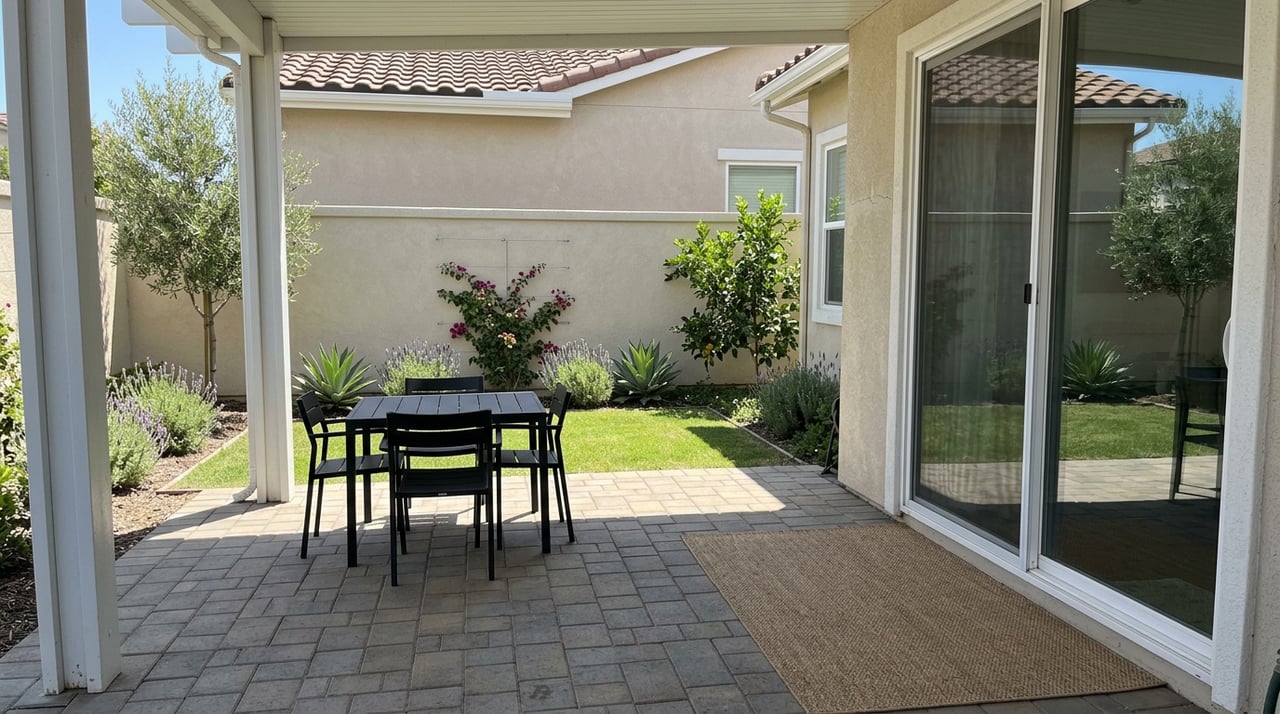
Living in Brea CA: What Daily Life Is Really Like
If you want Orange County convenience without giving up a real sense of place, Brea tends to stand out fast. It feels active, polished, and easy to plug into, but it does not come across like a city where everything blurs together. If you are trying to picture your day-to-day life here, this guide will help you understand how Brea actually lives, moves, and gathers. Let’s dive in.
Brea often feels closer to a compact small city than a purely residential suburb. With about 47,325 residents, it is smaller than nearby Fullerton and Yorba Linda, and closer in size to Placentia.
That size matters in everyday life. You still get major shopping, dining, arts, and public events, but the city can feel more centralized and easier to understand than larger Orange County neighbors. In practical terms, Brea offers a mix of convenience and identity that many buyers find appealing.
One of the clearest things about Brea is that the city leans into the arts. It presents itself as a City of Art, supported by the Curtis Theatre, the Brea Art Gallery, and an Art in Public Places collection with more than 185 sculptures.
That gives Brea a different texture than a place built only around houses and shopping centers. Public art, cultural venues, and programmed civic spaces help the city feel intentional and lived-in. If you like a city with visible personality, Brea tends to deliver that.
If you are wondering where Brea feels most walkable, downtown is the clearest answer. The downtown core mixes shopping, dining, entertainment, and housing, including lofts, tri-level condos, and Ash Street Cottages.
Because uses are layered together, downtown can support short local routines. You can picture grabbing dinner, walking the area, attending an event, or spending part of the evening out without needing to turn every outing into a longer drive. That mixed-use setup gives this part of Brea a more connected feel than a typical single-use suburban district.
Daily life in Brea does not center only on downtown. The mall corridor is a major part of the city’s rhythm too, especially for errands, shopping, dining, and meeting points.
Brea Mall sits near the 57 and 90 interchange and includes more than 175 specialty shops and restaurants. Around it, the city’s retail pattern expands into places like Brea Marketplace, Brea Gateway Center, Union Plaza, and East Imperial Center. This area feels more car-oriented and regional than downtown, but it adds a lot of practical convenience.
In many cities, one area does all the work. Brea feels a little different because daily life can revolve around two separate hubs: downtown and the mall corridor.
Downtown tends to support walkable outings, entertainment, and local events. The mall area supports bigger shopping trips, dining choices, and cross-town convenience. Together, they make Brea feel more complete than a place where you only have quiet residential streets and a few scattered commercial centers.
A big part of living in Brea is how often the city creates reasons to get out of the house. The city sponsors many events during the year, and the Brea Downtown Owner’s Association hosts Birch Street Promenade events year-round.
Examples include Brea Bonanza Days, Taste of Brea, the Father’s Day Cruisin’ Brea Classic Car Show, Kidz Block Party, Holiday Season in Brea Downtown, and free Summer Concerts in the Park. That kind of calendar can shape how weekends and evenings feel. Instead of planning everything around long drives, you may find that local routines become the default.
Brea’s outdoor spaces are not just for occasional visits. Several of them fit easily into normal weekly routines, which is often what matters most when you are deciding where to live.
The city maintains a wide park system that includes Arovista Park, Brea Sports Park, City Hall Park and the Brea Plunge, Country Hills Park, Tamarack Park, and Wildcatters Dog Park. It also sits near regional and nearby facilities like Carbon Canyon Regional Park, Ted Craig Regional Park, Tri-City Park, and Olinda Oil Museum & Trail.
If one outdoor feature best captures everyday usefulness in Brea, it is The Tracks at Brea. This four-mile linear park includes separate bike and pedestrian paths, nine fitness stations, two bike repair stations, shade structures, benches, fountains, and restrooms.
That setup makes it easy to use again and again. Whether you like walking, jogging, biking, or just having a predictable outdoor route nearby, The Tracks supports a repeatable routine instead of a one-time destination. For many residents, that kind of access can make daily life feel easier and healthier.
While The Tracks is practical and routine-friendly, Olinda Oil Museum & Trail offers something more distinctive. The historic park covers 12 acres and includes a roughly two-mile moderate loop along with the original Olinda Oil Well No. 1.
It gives Brea an outdoor option that feels a little more scenic and place-specific. If you enjoy mixing practical parks with spaces that have local history, Olinda helps round out the city’s outdoor personality.
Brea is convenient, but it is not a place where transportation fades into the background. The city describes itself as sitting at a busy crossroads, with SR-57, Imperial Highway, and Carbon Canyon Road serving as major connectors.
That means driving is still a central part of daily life for most people. Some parts of Brea feel compact and easy to navigate, but the broader lifestyle remains tied to roads, commuting patterns, and regional access.
Even though Brea leans car-first, there are useful transit connections in certain corridors. OCTA bus routes intersect at Brea Mall, including express service using the 57 Freeway to connect to Santa Ana and the Irvine Spectrum, along with local routes to Fullerton, Yorba Linda, Huntington Beach, Newport Beach, Irvine, and Santa Ana.
For some residents, that can add flexibility for work or regional trips. Still, the city overall reads more as driver-friendly with selective bus access than as a transit-centered place.
What makes Brea stand out is the balance. It has the regional shopping power and road access many buyers want, but it also has a stronger civic identity than a generic suburban stop along the freeway.
The arts presence, downtown activity, event calendar, and useful parks all contribute to that. So if you are asking whether Brea feels more like a conventional North Orange County suburb or a compact small city, the honest answer is that it sits in the middle. It gives you suburban convenience with a more defined public life.
Brea often appeals to people who want their city to feel organized, active, and easy to use. If you value having shopping, dining, events, parks, and cultural venues within the same city, Brea can feel very practical.
It can also make sense if you want a place with more built-in activity than a quieter residential suburb, but without stepping into the scale of a larger urban center. That middle-ground character is a big part of Brea’s appeal in North Orange County.
If you are thinking about buying or selling a home in Brea, working with a team that knows how this city fits into the broader North Orange County market can make your next move much clearer. The Brad Kerr Team offers local insight and hands-on guidance to help you navigate your options with confidence.
We provide the expertise, resources, and cutting-edge tools you need to navigate the real estate market with confidence. Whether you're buying or selling, we offer insights and solutions that set us apart. Stay informed about the latest market trends and let us guide you every step of the way.
Brad Kerr Team
BRAD KERR | CA DRE# 01182768
[email protected]
(714) 366-0990
3261 N HARBOR BLVD FULLERTON CA 92835