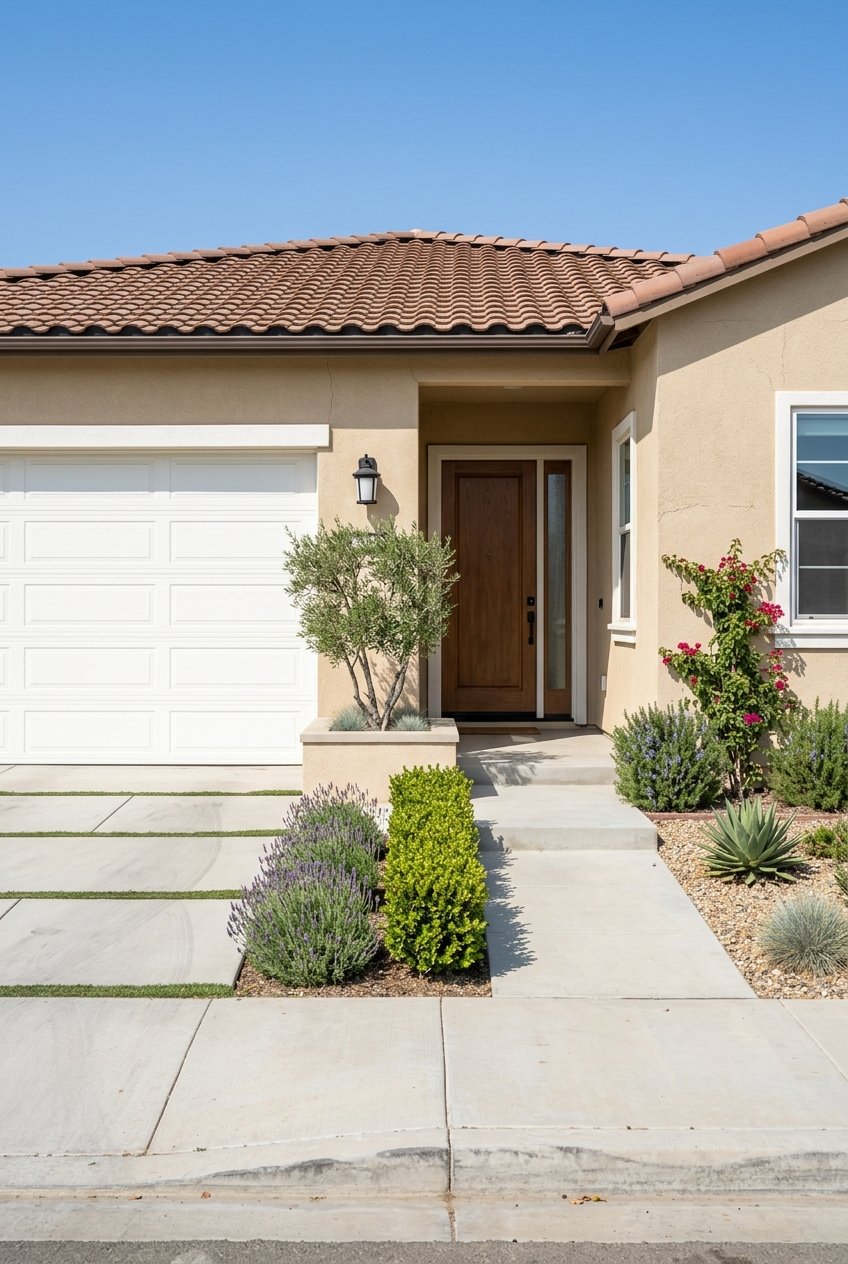
Buying and Selling in Whittier With Better Timing
Trying to buy and sell at the same time in Whittier can feel like solving a puzzle with moving pieces, deadlines, and a lot of money on the line. If you are worried about where you will live, how your sale proceeds will line up, or whether you can compete while also listing your current home, you are not alone. The good news is that with the right plan, this kind of move can be managed in a clear, practical way. Let’s walk through the options, risks, and timing issues that matter most.
Whittier remains an active resale market, which affects both sides of your move. According to Redfin’s Whittier housing market data, the median sale price was $870,000 in March 2026, homes sold in about 41 days, and 52.0% sold above list price. At the same time, 17.2% of listings had a price drop, which suggests you may still find room to negotiate depending on the property and timing.
That mix creates a very real challenge when you are buying and selling at once. Your current home may attract strong interest, but your replacement home may also move quickly. If you wait too long on either side, you can end up with a housing gap, extra carrying costs, or more pressure than you expected.
Whittier’s housing stock also shapes the process. The city has a high share of owner-occupied homes, and SCAG’s local profile notes that 82.4% of housing units were built before 1970. That means many sellers should plan early for inspections, repairs, disclosures, and presentation before listing.
If you are trying to move once instead of twice, focus on four practical questions first.
These questions matter because financing and closing timelines are rarely instant. Freddie Mac’s weekly market survey showed the average 30-year fixed rate at 6.30% on April 16, 2026, and Freddie Mac also notes that a purchase loan averages about 43 days to close. Even in a strong market, those lender and escrow timelines should shape your strategy.
For many homeowners, selling first is the lower-risk path. You close on your current home, free up your equity, and then use those proceeds toward your next purchase. To make the timing work, you may negotiate a short post-closing occupancy period so you can remain in the home briefly after closing.
In California, that occupancy should be documented in writing through the transaction, not handled as a casual side agreement. C.A.R.’s guidance on final investigation and possession explains that seller possession after closing can be handled through a lease after sale or a short-term license. It also notes that the buyer should still complete the final verification before closing, even if the seller will remain for a short period.
This option can work well if you want more certainty around your budget. Once your sale closes, you know exactly how much equity you can use, what your cash position looks like, and what price range is comfortable on the buy side.
A post-closing occupancy period may be a good fit if:
A legitimate rent-back is not the same as a deed-transfer or repurchase scheme. The FDIC warns about lease-back and repurchase scams that pressure owners to transfer title with vague promises about buying the home back later. For your protection, any post-closing occupancy should be fully documented through escrow and title with clear written terms.
If you find the right next home before your current home sells, bridge financing may help you move forward. A bridge loan, sometimes called swing financing, is designed for homeowners who need funds for the next purchase before they receive sale proceeds from the current home.
This can reduce the pressure of trying to sell and buy on the exact same timeline. But it also raises the bar on qualification. Fannie Mae’s bridge loan guidance says a bridge loan can be an acceptable source of funds if it is not cross-collateralized against the new property and if the borrower can document the ability to carry the new home payment, the current home payment, the bridge loan, and other obligations.
In plain terms, this option offers flexibility, but you need strong cash flow and careful lender planning. It is usually best for homeowners with solid equity, good income, and a clear understanding of the temporary carrying costs.
Bridge financing may make sense if:
Another path is to make your offer on the replacement home contingent on selling your current home. This can help you avoid buying before your equity is available, but it can be harder to win in a market where multiple offers are common.
C.A.R.’s contingency guide explains that contingencies allow a buyer or seller to cancel based on a specified event, and that standard California purchase agreements may include loan, appraisal, title, disclosure, and investigation contingencies. It also explains that contingencies must be removed in writing. They do not simply disappear because time passes.
In Whittier, a contingent offer is best viewed as a risk-management tool, not a guarantee. It may work when the seller is flexible, the property has been on the market longer, or your current home is already in escrow and close to closing.
Some homeowners aim for a same-day or same-week closing. This can limit disruption and reduce the need for temporary housing, but it only works when financing, escrow, title, and all parties are coordinated early.
The CFPB’s homebuying tools note that buyers should start shopping for mortgage options before they find the right home because they may have only a short window to line up financing after an offer is accepted. Pair that with Freddie Mac’s roughly 43-day average closing timeline, and you can see why a simultaneous move requires advance planning.
This strategy is more about scheduling than luck. It depends on strong communication, realistic contract dates, and a backup plan if one side slows down.
One of the biggest mistakes in a buy-and-sell-at-once move is focusing only on the down payment. In reality, you may need cash for closing costs, moving expenses, repairs, storage, and a temporary housing overlap.
Freddie Mac’s closing guide says buyers can generally expect closing costs of 2% to 5% of the loan amount. That matters even more when you are managing two transactions at once, because your funds may be stretched across staging, repairs, escrow charges, and the next purchase.
A simple planning list often includes:
Before you list or start touring seriously, talk with a lender about your options. You want to understand what you can afford if your current home has not sold yet, what changes once it does sell, and whether a bridge structure or contingent approach is realistic.
The CFPB’s Loan Estimate guidance explains that the Loan Estimate is the key tool for comparing loan offers, and lenders must provide one within three business days after receiving the required information. The CFPB also notes that a preapproval letter helps show sellers you are serious, but it does not commit you to that lender.
That means you can compare terms before you commit. If you are trying to buy and sell at once, that flexibility matters.
Because so much of Whittier’s housing was built before 1970, preparation can make a big difference. Older homes often benefit from extra attention before they hit the market, especially if you want to avoid delays once buyers start reviewing disclosures or requesting inspections.
A smart pre-listing plan may include:
This is also where sequencing matters. If you prepare your home well before listing, you may have more control over your sale timing and fewer surprises once you are under contract.
There is no one-size-fits-all answer, but this simple framework can help.
| If your priority is... | A common strategy |
|---|---|
| Lower financial risk | Sell first, then use a written rent-back if needed |
| Securing the next home first | Buy first with bridge financing |
| Avoiding two full payments | Make a contingent offer |
| Minimizing moves | Try to align both closings closely |
The right fit depends on your equity, income, comfort with risk, and how flexible your timing is. In Whittier, where homes still move in a fairly competitive environment, the strongest plans usually include a primary strategy and a backup.
When you are selling one home while trying to buy another, the goal is not a perfect script. The goal is a process that reduces surprises and keeps your options open. That means thinking about listing prep, buyer timing, financing, escrow milestones, and occupancy planning as one connected move.
The Brad Kerr Team brings a hands-on, locally informed approach to that process, with years of experience helping clients navigate timing-sensitive moves, prepare homes for market, and sequence each step clearly. If you are planning a move in Whittier, you can request a free home valuation from the Brad Kerr Team and start building a realistic plan around your home equity, timeline, and next purchase.

We provide the expertise, resources, and cutting-edge tools you need to navigate the real estate market with confidence. Whether you're buying or selling, we offer insights and solutions that set us apart. Stay informed about the latest market trends and let us guide you every step of the way.

Brad Kerr Team
BRAD KERR | CA DRE# 01182768
[email protected]
(714) 366-0990
3261 N HARBOR BLVD FULLERTON CA 92835