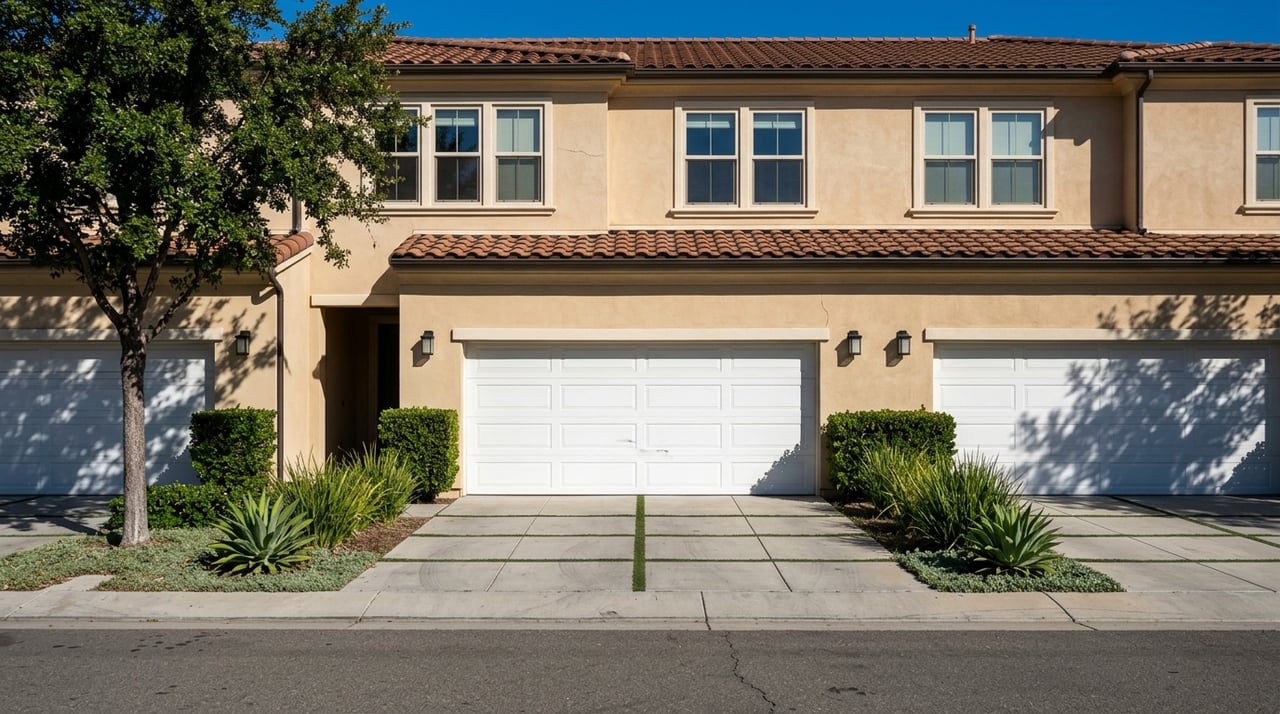
Brea Neighborhood Market Comparison by Area
Are Brea home prices really that different from one neighborhood to the next? In a city this compact, the answer is yes. If you are buying, selling, or simply trying to understand your home’s value, knowing how Brea’s micro markets compare can help you price more accurately, search more efficiently, and avoid apples-to-oranges comparisons. Let’s dive in.
Brea has 47,469 residents across 12.6 square miles, yet its housing market is far from uniform. Census Reporter shows a median household income of $131,129 and a median value of $922,300 for owner-occupied homes, while current market trackers place Brea’s median sale price at about $1.16 million with a 30-day median market time.
That gap between broad city stats and active sale prices helps explain why micro markets matter here. Small differences in home type, lot size, age, and location can create very different pricing bands, even within the same city.
Brea also sits in the middle of a wider North Orange County price range. Nearby cities show different benchmarks, with Fullerton around $1.06 million, Anaheim around $934,500, Placentia around $1.2 million, and Brea around $1.16 million. That makes Brea less like one single market and more like a set of overlapping submarkets.
One of the clearest ways to understand Brea is to look at the neighborhood pricing ladder shown in local market data.
Those numbers show how quickly pricing can change inside the city. For buyers, that means your budget may fit one part of Brea very differently than another. For sellers, it means the right comparable sales matter a lot.
Downtown Brea is the city’s clearest urban-style pocket. Local market data shows a median sale price of $872,207, a median of 29 days on market, a 103.6% sale-to-list ratio, and 74.8% of homes selling above list.
That pattern suggests strong demand for the right property, even though downtown often trades below Brea’s detached-home neighborhoods. The area’s 76 out of 100 walk score also helps explain why this pocket behaves differently from more traditional hillside or tract-home areas.
Downtown Brea has a wider mix of condos, townhomes, attached housing, and smaller detached infill homes. Recent sales show that spread clearly, from a 2-bedroom, 1.5-bath home at 636 East Birch Street Unit D that sold for $615,000 to a larger detached-style home at 320 South Redwood that sold for $1.45 million.
In between, 201 Laurel Avenue #14 sold for $830,000 as a 3-bedroom, 2.5-bath home, while 127 South Redwood sold for $905,000 after 118 days on market. This is why downtown pricing can look inconsistent at first glance when the real difference is product type.
In Downtown Brea, buyers often place more value on walkability, lower-maintenance ownership, and updated interiors than on yard size. That makes sense in a neighborhood where attached housing and compact lots are more common.
If you are pricing a home here, a condo or townhome comp should not be mixed with a detached infill comp unless you clearly adjust for the difference. Without that context, the numbers can tell the wrong story.
West Brea often serves as a useful middle tier in the city. Local data places the median sale price at $1,049,610 with a 22-day median market time and a very competitive score of 85.
For many buyers, West Brea can feel like a bridge between Downtown Brea’s lower-maintenance options and Brea’s more premium detached-home pockets. For sellers, that means your home may appeal to buyers who want a traditional single-family layout without reaching the highest pricing tier in town.
Country Hills stands out as one of Brea’s strongest move-up single-family micro markets. Market data shows a median sale price of $1,266,574, and homes there have been selling in as little as 13 days.
Recent examples help show the range. A 1977 home at 140 Country Club Drive sat on a 3,500-square-foot lot, while 137 South Thistle featured a renovated home on an 8,260-square-foot lot. Another sale, 2050 Fallingleaf Circle, closed at $1,267,000 after 51 days on market.
In established central tracts like Country Hills, West Brea, and Brea-Olinda, buyers are usually comparing floor plans, lot utility, remodeling level, and micro location within the tract. These neighborhoods often compete most directly with one another, not with downtown attached housing or foothill custom homes.
That is important if you are trying to estimate value. A renovated single-family home in one of these tracts usually needs to be compared with similar detached homes, not with a townhome near Birch Street or a custom property in the hills.
Brea-Olinda is one of the city’s stronger detached-home pockets, and the pricing reflects that. Local market data puts the median sale price at about $1.3 million, with 31 days on market and a very competitive score of 83.
That places it above West Brea and close to Country Hills, with enough consistency to stand out as its own premium micro market. It tends to attract buyers looking specifically for detached homes in an established neighborhood setting.
Recent sold examples include 2407 Branch at $1.3 million, 2282 Shadetree at $1.265 million, and 2998 Primrose at $1.43 million. Those homes were all roughly in the 2,000- to 2,300-square-foot range.
When several sales cluster in a similar size band, it gives both buyers and sellers a better framework for value. It also reinforces why Brea-Olinda should be treated as its own comp set when possible.
On the foothill side of Brea, the 92823 ZIP code generally carries higher list prices than 92821. Local market data shows 92823 with a median listing price of $1,309,500 and median rent of $4,225, compared with 92821 at $1,174,500 and $3,500.
The 92823 area also showed only 11 homes for sale in the reported snapshot. That smaller supply can add pressure when buyers are targeting foothill locations with newer homes or larger parcels.
Olinda Ranch is the clearest example of a newer-tract foothill micro market. Local data shows a median sale price of $1.3 million at about $604 per square foot.
Listings in this area help explain the appeal. Homes included a 2002 property on a 4,950-square-foot lot with a $119 monthly HOA, a 2004 home on a 10,106-square-foot lot, and a 2001 home on a 7,851-square-foot lot. Even within the same neighborhood, lot size and features can create noticeable pricing differences.
The foothills also include custom and semi-custom properties that do not fit neatly into tract-home pricing. Examples include homes on Olinda Drive with roughly 0.39-acre lots, along with a 2014 custom build on a 14,053-square-foot lot.
That is why the word “hillside” in Brea can be misleading if used too broadly. One home may be a standard tract property, while another may carry a premium for privacy, views, a larger parcel, or newer custom construction.
If you are shopping in Brea, the first step is to define the type of home you actually want. Your experience in Downtown Brea will be very different from your experience in Country Hills, Brea-Olinda, or the foothills.
A few practical guidelines can help:
When you compare homes this way, pricing starts to make more sense. It also helps you avoid overpaying for features that do not carry the same value in another part of town.
If you are selling a single-family home in Brea, your pricing strategy should start with the right micro market, not just the citywide median. A broad Brea average can be useful for context, but it is rarely enough to position a home correctly.
The cleanest rule is simple: match like with like. That means same product type, similar age, similar lot tier, similar HOA structure, and similar micro location.
For example, a Downtown Brea condo sale should not anchor the pricing for a detached Olinda Ranch home. In the same way, a smaller remodeled tract home in Country Hills should not be valued like a custom hillside property with a larger lot and different buyer pool.
This is where local neighborhood knowledge can make a real difference. In a city with pricing bands that range from the high $800,000s to well above $1.4 million depending on location and product, small comp mistakes can lead to a big pricing error.
Brea may look small on the map, but it behaves like several markets packed into one city. Downtown Brea rewards walkability and lower-maintenance living. Central tracts like West Brea and Country Hills center more on detached-home layouts and remodeling. Brea-Olinda holds a premium lane, while foothill pockets often trade on privacy, lot size, and views.
If you are buying, that knowledge helps you target the right area faster. If you are selling, it helps you avoid leaving money on the table or missing the market with the wrong price.
When you want neighborhood-level guidance on how your part of Brea compares, the Brad Kerr Team can help you read the market with more clarity and confidence.
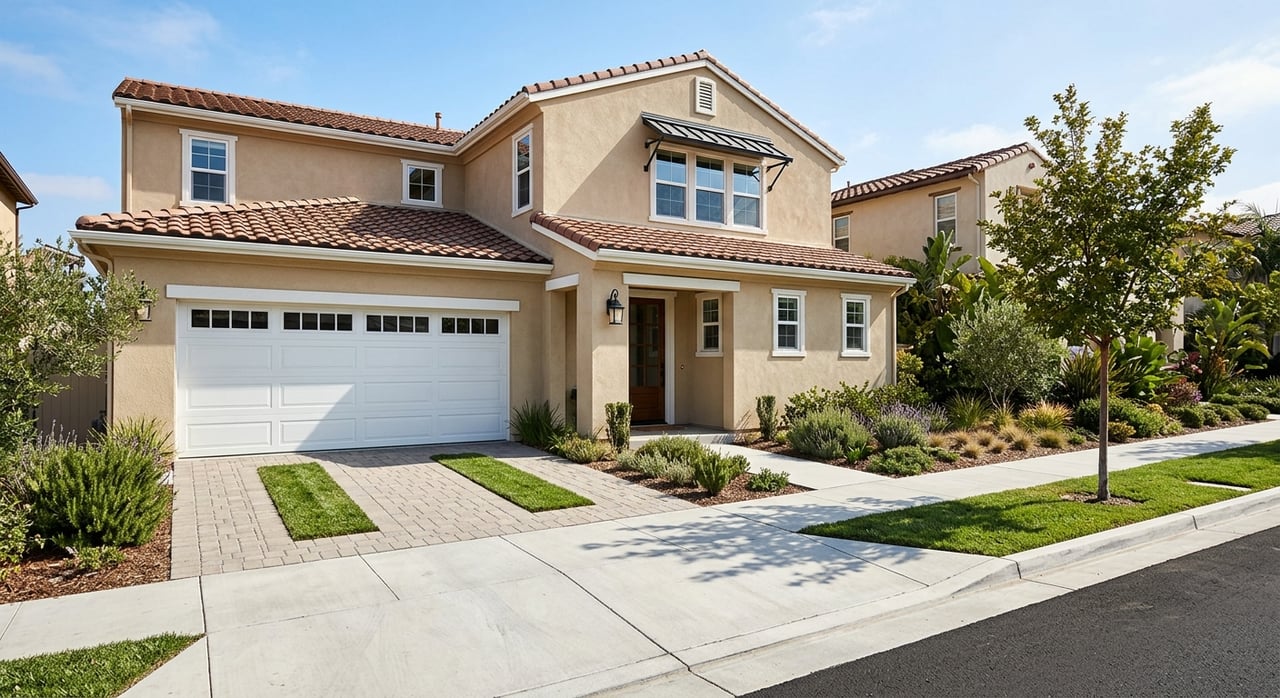
We provide the expertise, resources, and cutting-edge tools you need to navigate the real estate market with confidence. Whether you're buying or selling, we offer insights and solutions that set us apart. Stay informed about the latest market trends and let us guide you every step of the way.
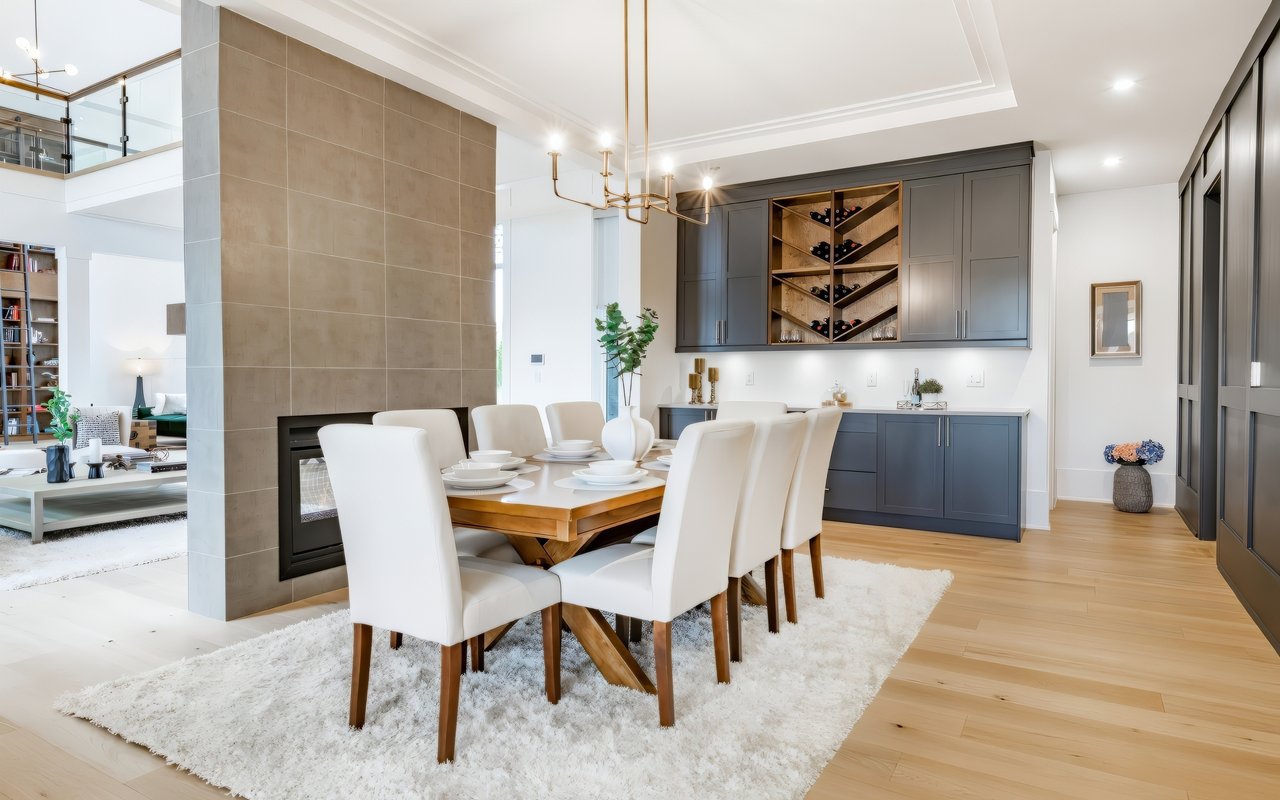
Brad Kerr Team
BRAD KERR | CA DRE# 01182768
[email protected]
(714) 366-0990
3261 N HARBOR BLVD FULLERTON CA 92835