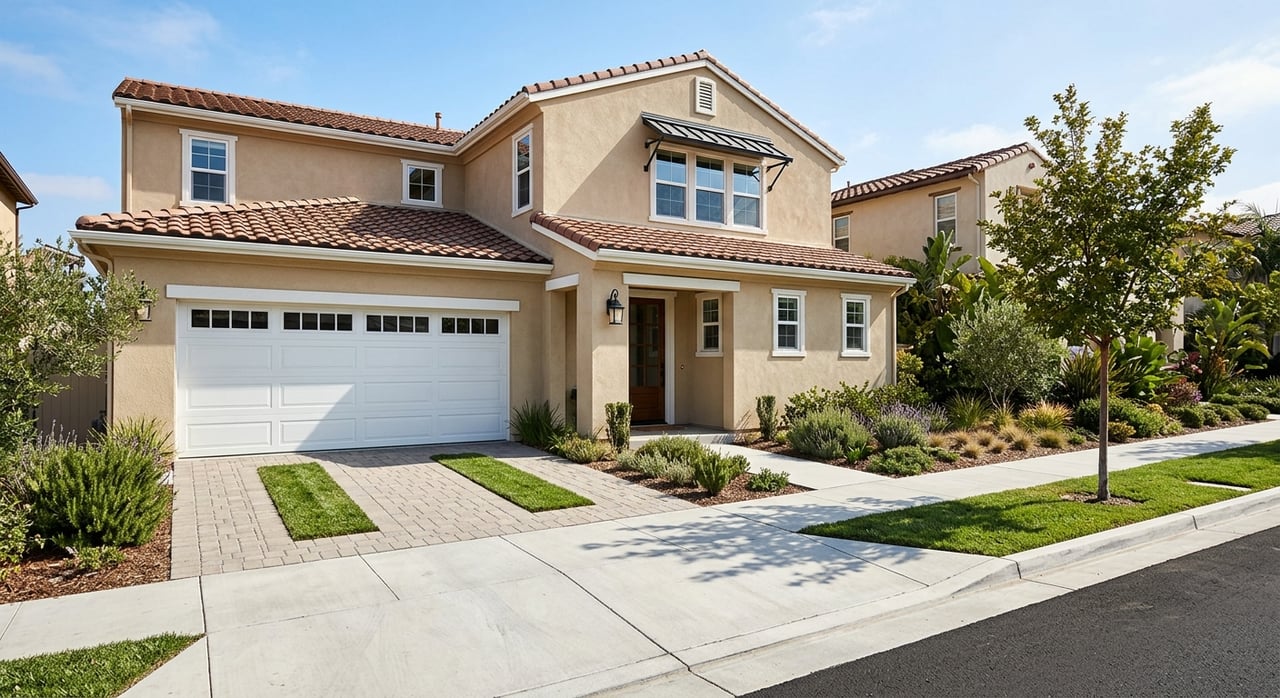
What Whittier Greenway Trail Living Is Really Like
If you want a neighborhood amenity that fits real life, not just weekend plans, the Whittier Greenway Trail stands out. Living near the trail can mean easier walks, bike rides, outdoor time, and quicker access to parts of the city you may already visit often. If you are considering a home in Whittier, this guide will help you understand what daily life near the Greenway can look like and what makes the area appealing. Let’s dive in.
The Whittier Greenway Trail is more than a local path. The city describes it as a commuter and recreational bikeway, pedestrian path, and greenbelt, which helps explain why it plays such a visible role in everyday life.
Today, the trail is described by the city as about 7.3 miles long and used by more than half a million people each year. It opened in 2009 and was created from an abandoned Union Pacific Railroad corridor, giving it a practical route through multiple parts of Whittier.
One of the biggest benefits of living near the Greenway is that it supports both routine and recreation. The city says residents use it for transportation, exercise, recreation, and simply enjoying the outdoors.
That means your day might include a morning walk, an evening bike ride, or an easy outdoor break without needing to drive to a park first. The city also notes that the trail offers a safe place to walk, run, and ride bikes with families and pets, which adds to its everyday appeal.
The Greenway is not just scenic. It links homes, parks, shopping areas, schools, and transit stops, which makes it useful if you value convenience and connected movement around the city.
The trail also connects with local and regional bus systems, including Foothill Transit, Metro, Montebello Bus Lines, and Norwalk Transit. For some buyers, that mix of active travel and transit access is a meaningful lifestyle advantage.
If you are searching for a home with trail access in mind, several Whittier neighborhoods sit within a 10-minute walk of the corridor. City planning materials identify Orange Grove, Palm Park, Uptown, Quad, Anaconda Park, and portions of South Whittier, North West Whittier, Rideout Heights, and Historic Whittier as areas tied closely to the trail.
That does not mean every block feels the same. Instead, it shows that the Greenway acts as a neighborhood connector across different parts of Whittier, which can give buyers more options depending on the home style, street feel, and access points they want.
Part of the Greenway’s appeal is that it feels like a civic space, not just a path cut through town. The corridor includes six history-themed stations and four fitness stations, giving the trail a more intentional and community-centered design.
The city highlights themes such as native plants, Whittier architecture, transportation history, and the area’s railroad past. Along and near the trail, you can also see older residential areas where Spanish, Victorian, and Craftsman styles appear, especially near historic districts.
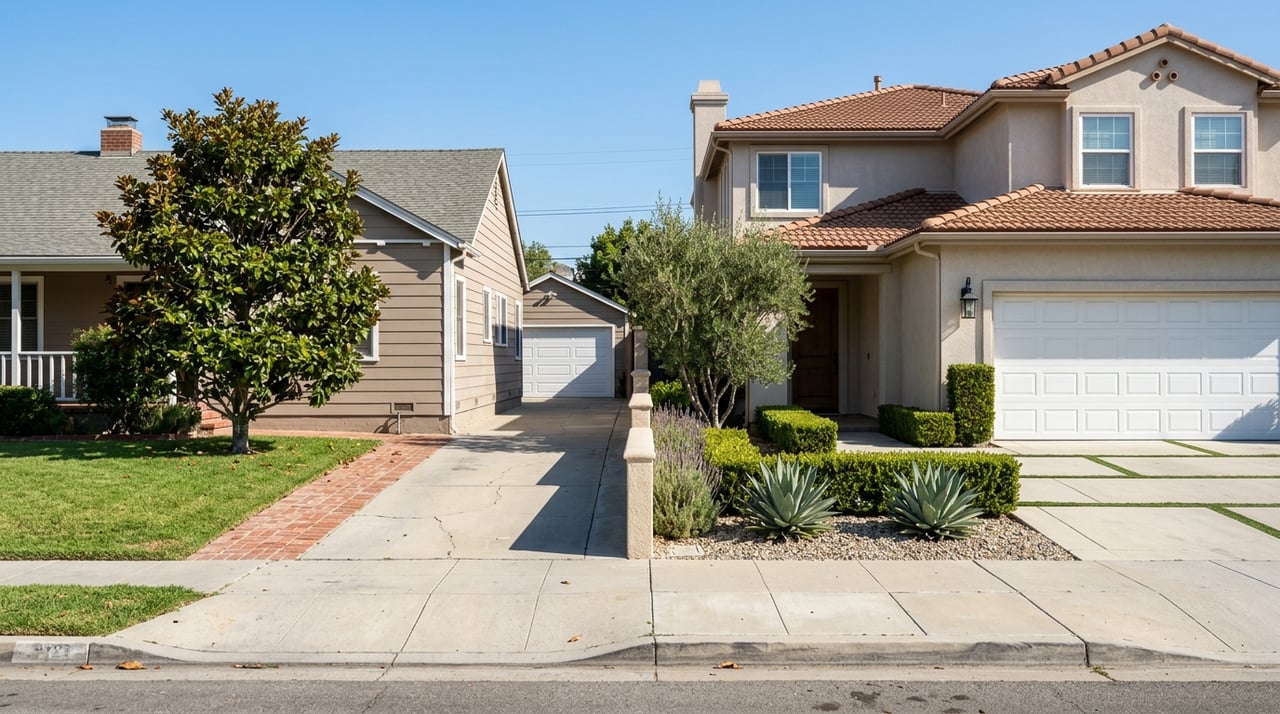
That architectural variety can shape the feel of nearby streets. For buyers who appreciate character, that setting may feel more distinct than a purely newer suburban edge.
For many people, one of the most practical advantages of living near the Greenway is access to Uptown Whittier. The city describes Uptown as the historic central business district and the city’s core, with specialty shops, indoor and outdoor dining, entertainment, a restored multiscreen movie theater, and live music venues.
That gives trail-adjacent living more than outdoor appeal. It supports a lifestyle where recreation, errands, dining, and local outings can all feel more connected.
The city is also investing in the Greenleaf area through the Greenleaf Promenade project. According to city materials, the project is designed to improve pedestrian-friendly walkability, lighting, landscaping, park space, and flexible outdoor dining and gathering space along Greenleaf Avenue between Wardman Street and Hadley Street.
For buyers thinking long term, that matters. It suggests continued attention to the comfort and function of Whittier’s walkable core, especially in the area most closely associated with dining, shopping, and local activity.
The Greenway is a major amenity, but it is not the only one. Whittier says the city has 19 parks, more than 400 acres of playgrounds and recreation opportunities, and more than 1,700 acres of preserved hills with biking and hiking trails.
That broader recreation network adds depth to the lifestyle. If you enjoy being outdoors, living near the Greenway can place you within a city that already supports a range of active options.
Recent improvements have made the trail more useful. In 2023, Whittier announced completion of the east extension to the Orange County and La Habra line, extending the route farther across the city.
You may see slightly different mileage figures in city materials because earlier descriptions referenced the original segment plus the new extension. The main takeaway is simple: the corridor now reaches farther east, making the Greenway a stronger citywide amenity than it was before.
The same city release also said Whittier was exploring a westward connection toward the San Gabriel River bike path. For buyers who pay attention to long-term connectivity, that is a point worth noting.
If you like the idea of outdoor access built into your routine, a home near the Greenway may be worth a closer look. The trail supports walking, biking, fresh air, and local movement in a way that can be hard to replicate in areas without a connected corridor.
It may be especially appealing if you want a home near Uptown activity, neighborhood character, or practical access to parks and services. Since the trail touches multiple parts of Whittier, the best fit often comes down to the kind of home and street setting you want most.
When you explore homes near the Greenway, it helps to look beyond distance alone. A property may be close to the trail, but your day-to-day experience can also depend on how easily you reach an access point, what nearby commercial areas you use most, and whether you prefer a quieter residential pocket or a more connected in-town setting.
A few helpful things to compare include:
For buyers, these details can help narrow down which part of the Greenway corridor feels most aligned with your lifestyle.
Trail-adjacent living can sound appealing in broad terms, but the experience can vary from one part of Whittier to another. Some buyers prioritize character and closeness to Uptown, while others want a quieter residential area with easy outdoor access.
That is where local insight matters. If you are comparing homes near the Greenway, it helps to work with someone who understands how the corridor connects with Whittier’s neighborhoods, housing stock, and everyday amenities.
If you are thinking about buying or selling near the Whittier Greenway Trail, the Brad Kerr Team can help you evaluate neighborhoods, compare home options, and make a confident move with clear local guidance.
We provide the expertise, resources, and cutting-edge tools you need to navigate the real estate market with confidence. Whether you're buying or selling, we offer insights and solutions that set us apart. Stay informed about the latest market trends and let us guide you every step of the way.
Brad Kerr Team
BRAD KERR | CA DRE# 01182768
[email protected]
(714) 366-0990
3261 N HARBOR BLVD FULLERTON CA 92835