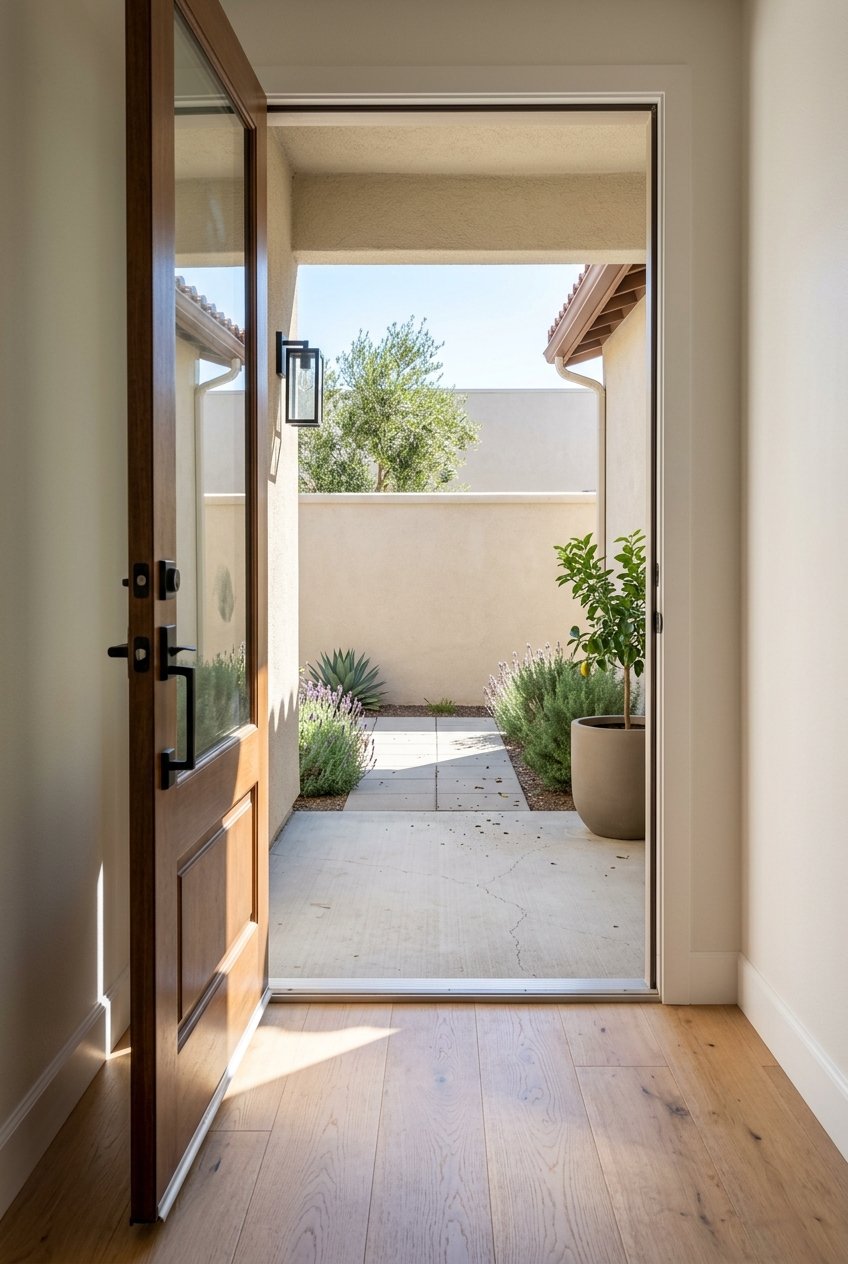
Flip Or Fix First? Pre-Sale Renovation Choices In Orange
Wondering whether you should sell your Orange home as-is, make a few smart updates, or go all-in on a renovation? That choice can have a big impact on your timeline, stress level, and final net proceeds. In a market where well-prepared homes can still sell strongly, the goal is not to spend more, but to spend wisely. Let’s break down how to choose the right pre-sale path in Orange.
Before you decide how much work to do, it helps to understand the local backdrop. In March 2026, Orange had a median sale price of $1.25 million, average days on market of 34, and a sale-to-list ratio of 100.1%.
That tells you something important: Orange remains a strong seller market, but it is not so overheated that every project pays off. A well-positioned home can still attract solid offers, yet over-improving or overpricing can cut into your return.
Many sellers start by asking, “Should I renovate or not?” In Orange, the better question is often, “Will this work move my home into a stronger group of comparable sales?”
If the answer is no, a big renovation may not make financial sense. If the answer is yes, and the finished home will clearly compete with more updated nearby listings, then a deeper project may be worth considering.
Selling as-is can be the right move when your home has major system issues, you need to move quickly, or the likely renovation cost would outweigh the market benefit. This path can reduce upfront spending and keep the process moving.
That said, as-is does not mean no responsibilities. In California, sellers still need to provide the required residential disclosure statement before transfer, along with natural hazard disclosures when applicable.
If your home was built before 1978, lead-based paint disclosure rules also apply. That includes disclosing known lead hazards, providing the required pamphlet, giving the buyer a 10-day inspection opportunity, and completing signed disclosures.
Even with an as-is sale, buyers will still evaluate condition closely. The better your pricing and disclosure package, the smoother the transaction is likely to be.
For many Orange sellers, this is the most practical middle path. If your home is structurally sound but looks dated or tired, smaller visible improvements often make more sense than a major remodel.
Published 2025 Pacific region cost-vs-value data support that approach. Some of the strongest returns came from projects buyers notice right away, rather than from large-scale reconstruction.
By comparison, a midrange major kitchen remodel recouped 57.2%, and upscale kitchen or addition projects came in even lower. That gap is a strong reminder that bigger is not always better.
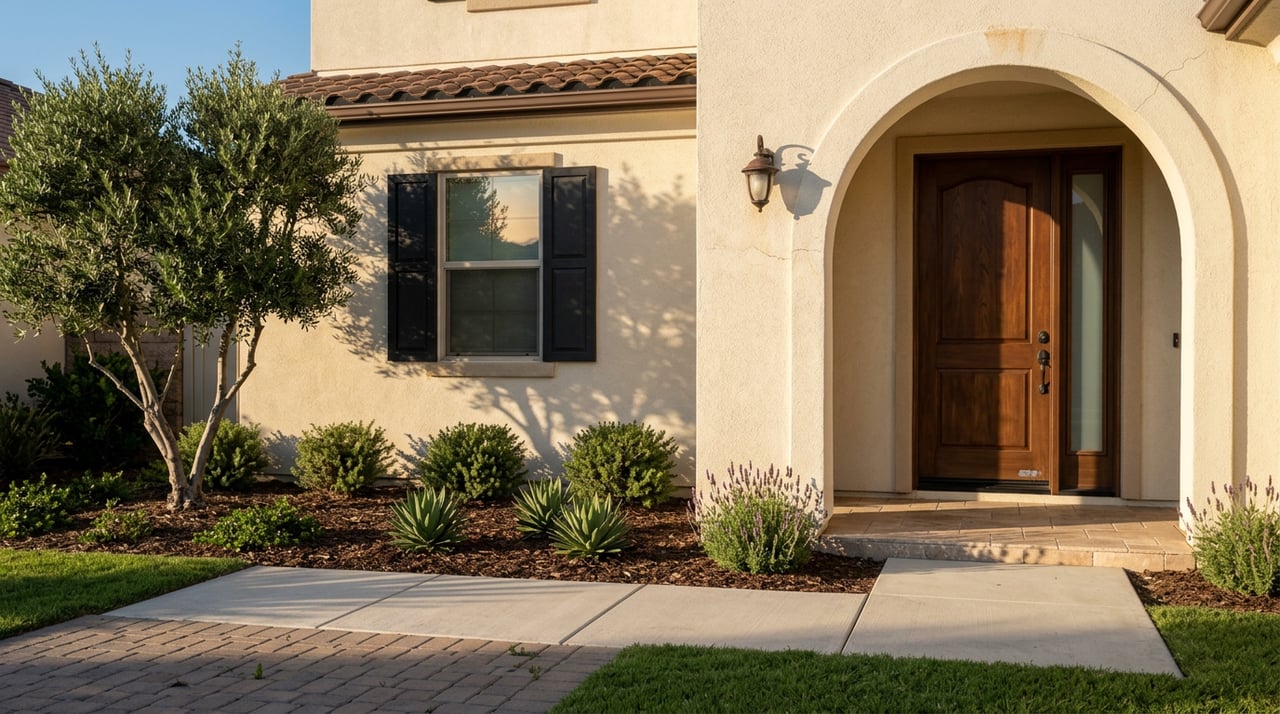
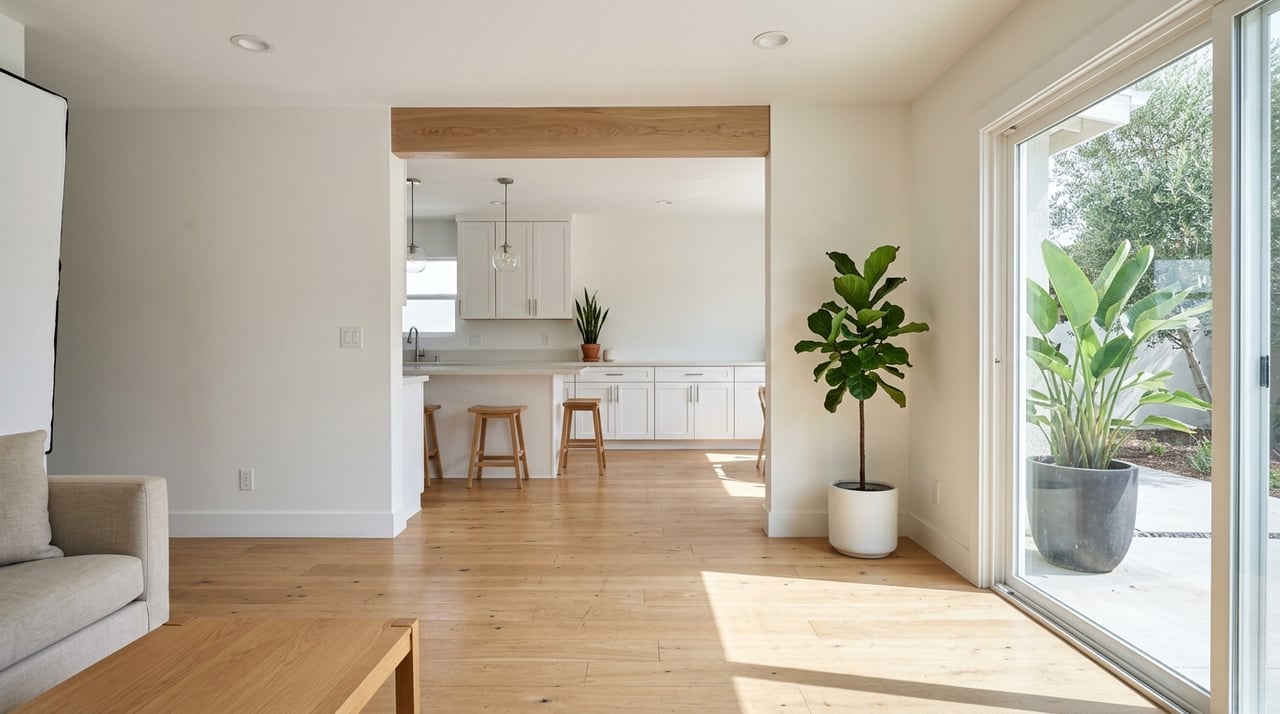
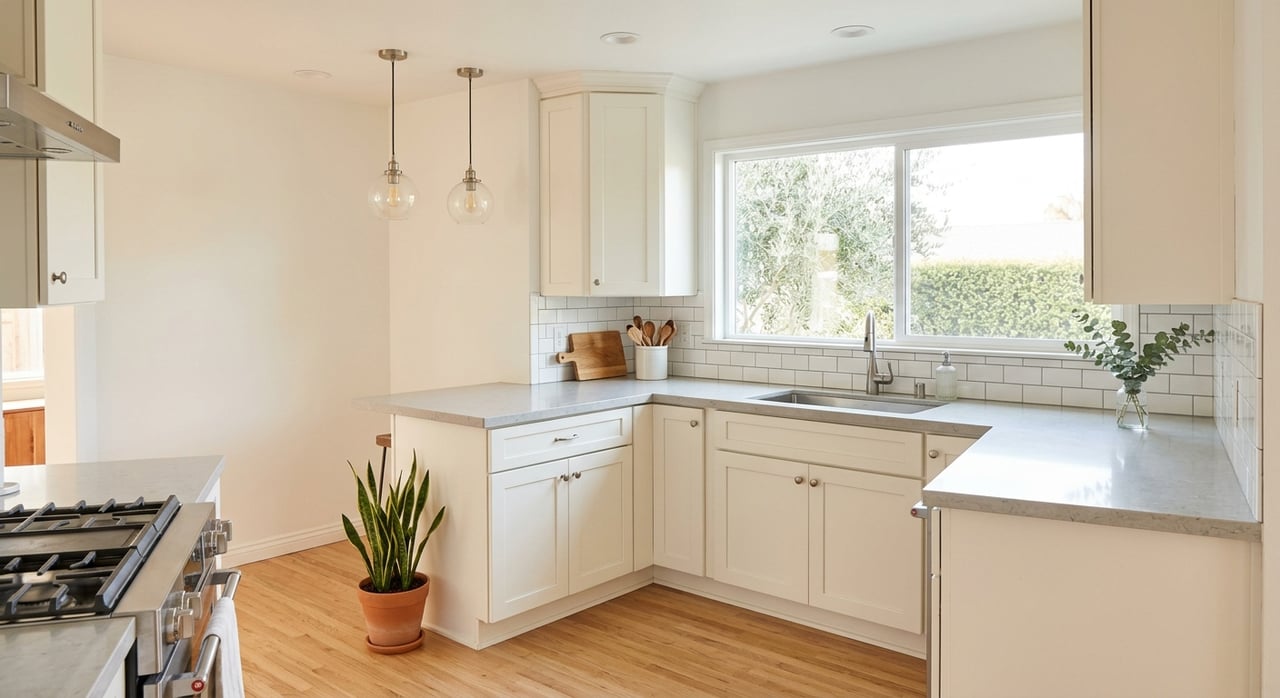
A light refresh can improve buyer perception without dragging you into a long project. Clean finishes, updated lighting, refreshed flooring, a sharper front entry, and a more current kitchen presentation can help your home feel move-in ready.
That matters because buyers often react first to what they can see. If your home already has a solid layout and good fundamentals, targeted cosmetic work may be enough to support better marketing and stronger offers.
A larger value-add renovation can work, but only under the right conditions. This path makes the most sense when the home is far behind renovated comps and the finished product can compete in a clearly stronger price tier.
That is usually not about doing everything. It is about controlling scope so the finished result changes how buyers compare your property to other homes on the market.
Brad Kerr Team’s approach, based on its own seller materials, points to a practical process: start with valuation, inspect early, gather bids, and decide which updates will most affect buyer perception. In other words, the smartest renovation is often the smallest one that meaningfully improves your comp position.
In Orange, project complexity matters. The City of Orange requires building permits for new construction, remodeling, and additions, and permit applications go through the Civic Portal.
Once work becomes more extensive, other reviews can also come into play. Depending on the property and scope, grading, encroachment, street-improvement review, sewer-related issues, or floodplain-adjacent conditions may affect timing.
This is one of the biggest reasons sellers should be cautious about turning a simple prep plan into a major construction project. The deeper the renovation, the more likely it is to create inspection, schedule, and approval risk.
One of the smartest first steps is to inspect before deciding what to fix. That gives you a clearer picture of safety concerns, deferred maintenance, and the true cost of getting the home market-ready.
It also helps you avoid spending money in the wrong places. If a buyer is likely to discover an issue anyway, it is better to decide upfront whether to repair it, price around it, or disclose it clearly.
If your home has big-ticket issues and you need a clean, fast sale, as-is may be the most practical choice. If the home is basically sound but feels dated, a focused cosmetic refresh is often the highest-probability path.
If the home is clearly behind the market and there is a real opportunity to move into a better comp set, then a larger renovation may be worth exploring. The key is not whether a project sounds impressive. The key is whether it improves your likely sale outcome after costs, time, and risk.
In Orange, many sellers will do better with a measured refresh than with a broad, expensive flip. The local market is strong, but it still rewards pricing discipline, smart presentation, and careful project selection.
That is why a comp-based plan matters so much. When you match the scope of work to the actual market opportunity, you put yourself in a stronger position to sell with confidence and protect your bottom line.
If you are weighing whether to sell as-is, refresh key areas, or pursue a larger pre-sale renovation, the right advice can save you time and money. The Brad Kerr Team can help you evaluate your home’s condition, compare it to local comps, and choose the prep strategy that fits your goals.
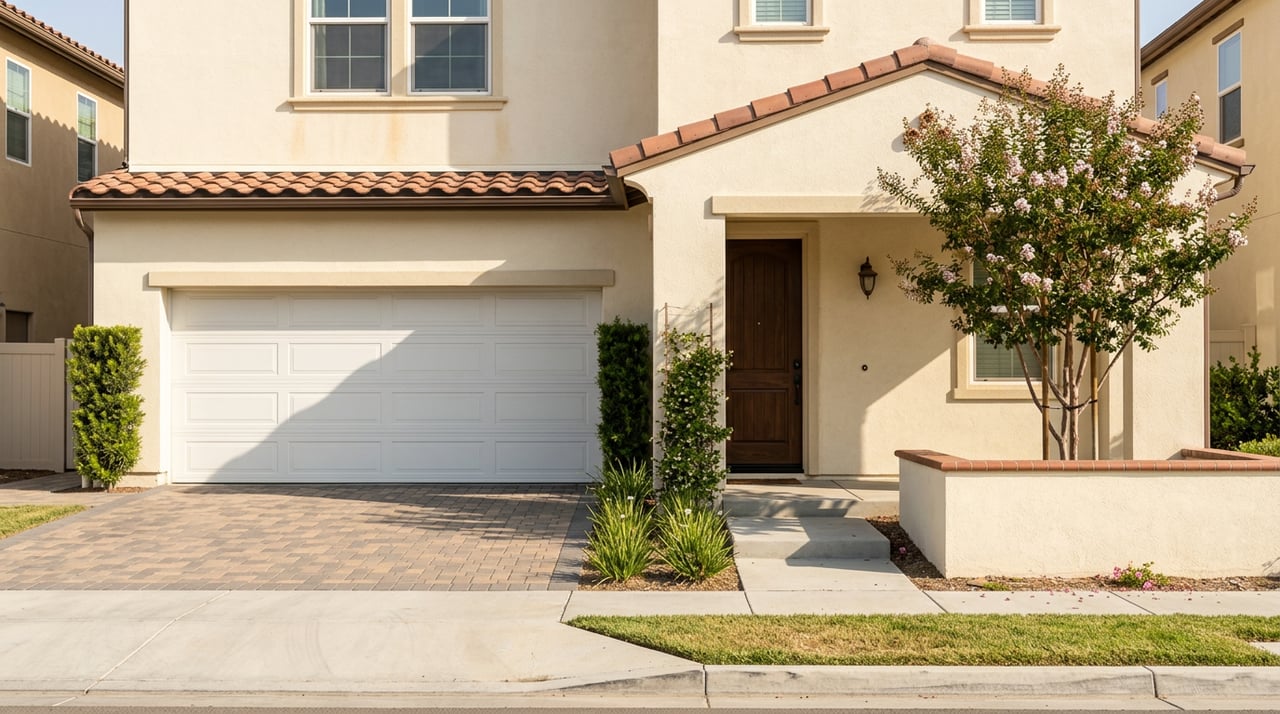
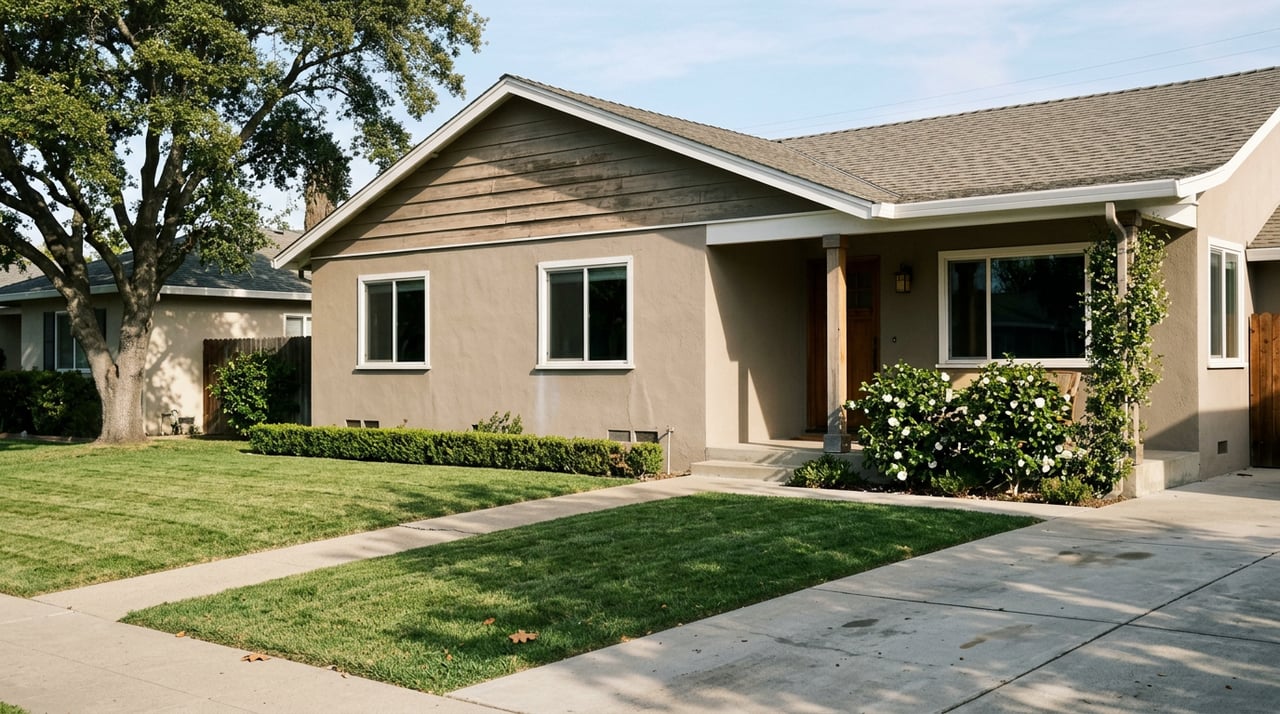
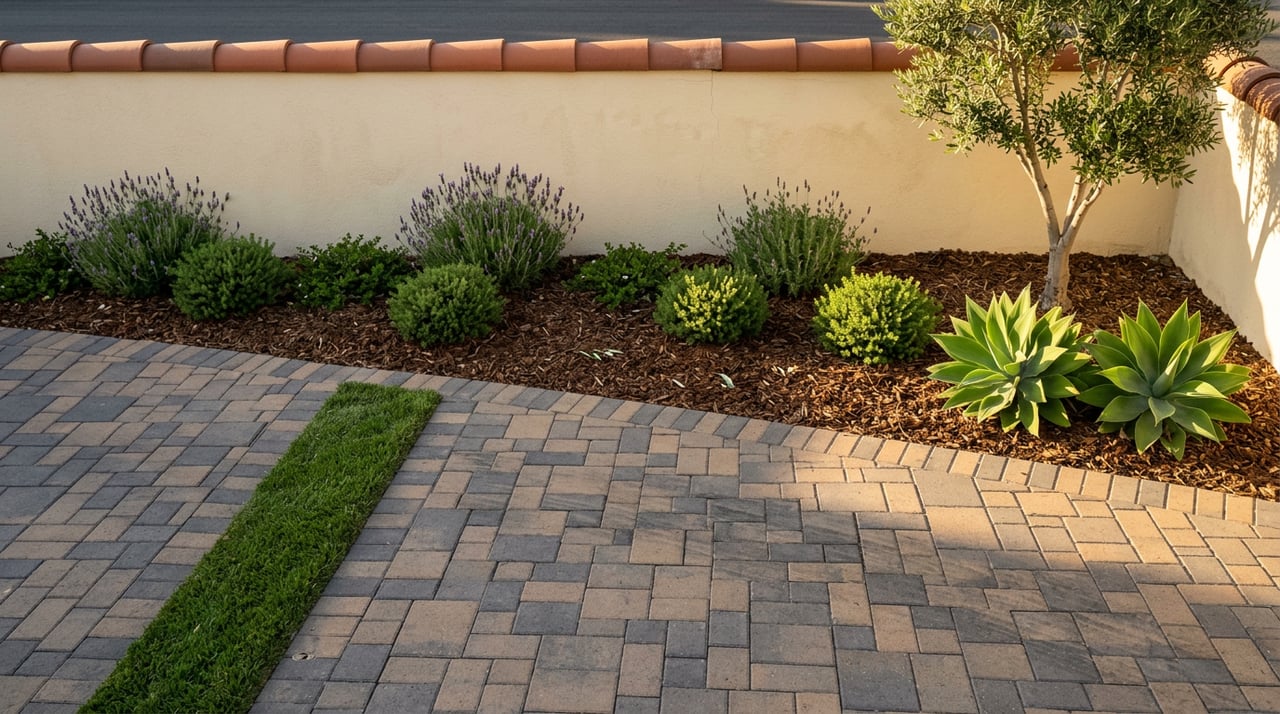
We provide the expertise, resources, and cutting-edge tools you need to navigate the real estate market with confidence. Whether you're buying or selling, we offer insights and solutions that set us apart. Stay informed about the latest market trends and let us guide you every step of the way.
Brad Kerr Team
BRAD KERR | CA DRE# 01182768
[email protected]
(714) 366-0990
3261 N HARBOR BLVD FULLERTON CA 92835