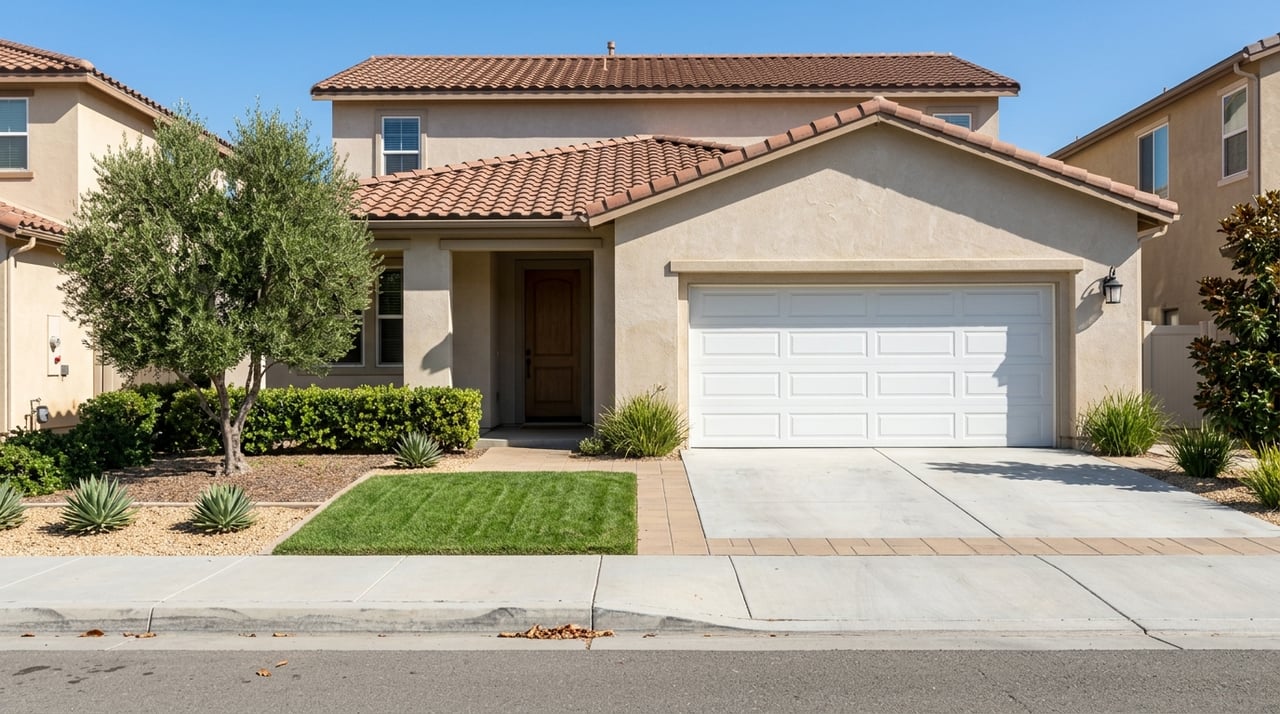
Everyday Life In Orange Beyond The Plaza
Wondering if life in Orange begins and ends at the Plaza? It is easy to see why the historic core gets so much attention, but daily life in Orange is much broader than one postcard-friendly district. If you are thinking about moving to Orange or simply want a better feel for how the city lives day to day, this guide will walk you through the neighborhoods, routines, and conveniences that shape life beyond downtown. Let’s dive in.
Old Towne Orange is still the city’s symbolic center, and for good reason. The area includes Plaza Park, shops, restaurants, galleries, civic buildings, Chapman University, and the Orange Public Library & History Center. It also hosts recurring events like the Orange Home Grown market, the Street Fair, Treats in the Streets, and the tree lighting procession.
But Orange is a city of about 137,941 residents spread across roughly 27 square miles. That larger footprint creates a more layered lifestyle than many first-time buyers expect. Beyond the Plaza, you will find historic pockets, lower-density east-side neighborhoods, west-side commercial and medical hubs, and a park system that supports everyday routines across the city.
If you are looking for the most walkable part of Orange, Old Towne is the clearest answer. This is where daily errands, coffee stops, dining, and community events come together in one area. The concentration of civic spaces and local businesses gives this part of town a more connected, on-foot feel than much of the rest of the city.
That does not mean every Orange lifestyle looks the same. Many residents enjoy Old Towne as a destination rather than their entire routine. You might spend Saturday morning near the Plaza, then head home to a quieter residential area that feels very different from downtown.
Orange has a strong preservation identity, and that extends beyond the Plaza itself. The city recognizes overlapping Old Towne historic districts and also identifies the Eichler tracts as local historic districts. Preservation resources also highlight the Cypress Street Barrio and El Modena historic contexts, showing how Orange’s story stretches across multiple parts of the city.
For you as a buyer or homeowner, that matters because historic character is not just aesthetic. In some of these areas, exterior changes follow preservation and design standards. That means the built environment and neighborhood feel are shaped not only by older homes, but also by rules that help maintain their appearance over time.
One of the biggest shifts in Orange happens as you move east. According to the city’s general plan, older and higher-density neighborhoods are concentrated more in the western part of town, while lower-density housing tied to newer development is found mainly on the eastern side. That planning pattern creates a noticeably different pace of life.
East Orange includes areas the city treats as distinct neighborhoods, including Orange Park Acres and newer areas such as Serrano Heights. In practical terms, these areas often appeal to people who want more space, a quieter residential setting, or a neighborhood experience that feels less tied to the downtown core.
Orange Park Acres stands out for its estate-style, large-lot housing. The city describes the area as one where equestrian and agricultural uses may also be present, which gives it a very different identity from more compact parts of Orange. If you are picturing a more spread-out residential setting, this is one of the clearest examples in the city.
That contrast is a big part of what makes Orange interesting. You can have a historic downtown, mid-century design pockets, and large-lot east-side living all within the same city. For buyers comparing Orange to nearby communities, that range can be a real advantage.
West of SR-57, Orange takes on another role. The city describes Uptown Orange and the South Main Street corridor as medical-commercial hubs with major medical centers, office space, retail, housing, and civic uses. Major destinations in this part of town include UCI Medical Center, The Outlets at Orange, and the ARTIC transportation center.
If your routine depends on quick access to work, services, shopping, or regional transit, this side of Orange may feel especially practical. It does not carry the same historic identity as Old Towne or the same low-density feel as parts of East Orange, but it can offer strong day-to-day convenience.
A city’s lifestyle is not just about homes and streets. It is also about where you walk, exercise, unwind, and spend time outside. Orange currently offers 22 parks, and the city says its trail network links Grijalva, Yorba, and Hart Parks.
That gives you more than just occasional recreation. It creates options for regular routines, whether that means a morning walk, an afternoon outing, or a weekend stop at a neighborhood park. The city is also investing in projects like the Westside Linear Park, and Hart Park recently added lighted pickleball courts and outdoor fitness equipment.
One of the most recognizable weekly rituals in Orange is the Orange Home Grown Farmers and Artisans Market. It runs every Saturday from 9 a.m. to 1 p.m. near Old Towne and brings together local farms, artisans, live music, kids’ activities, and education programming. Chapman University donates the market space, which helps reinforce its role as a civic gathering point.
For many people, this is what gives Orange a lived-in feel. It is not only about major attractions or historic charm. It is also about the repeatable habits that make a place feel like home.
Orange also has a quieter side that often gets overlooked. The Orange Public Library & History Center helps preserve materials tied to the historical development of Orange and Orange County. That may sound like a small detail, but it supports a stronger sense of local identity in everyday life.
When a city keeps its history visible, the result is often more than nostalgia. It can shape the way neighborhoods are maintained, how public spaces are used, and how residents connect with the place over time. In Orange, that civic thread runs well beyond the Plaza.
Orange is well connected by both roads and rail, even though many daily routines still revolve around the car. Old Towne is accessible from the Orange Metrolink Station and the 22, 57, 55, and 5 freeways. Metrolink service through Orange connects trips serving Los Angeles Union Station, Anaheim, Santa Ana, Irvine, and Oceanside.
OCTA’s current network also includes 60 bus routes and Stationlink service, with listed routes such as Route 167 Orange-Irvine and Route 453 Orange Transportation Center to St. Joseph’s Hospital. In short, Orange gives you multiple ways to get around, but the experience can vary a lot depending on which part of town you call home.
The city’s average commute time is 25.8 minutes, according to Census data. That suggests Orange works well for many people who want regional access without giving up a neighborhood-based lifestyle. If you are choosing where to live, commute patterns and freeway access may matter just as much as the style of the homes.
Orange feels established, stable, and varied. Census data show that 56.7 percent of housing is owner-occupied, the median household income is $117,113, and 89.2 percent of residents lived in the same house a year earlier. Those numbers suggest a city where many people put down roots and stay.
The age mix also supports that sense of balance, with 20.4 percent of residents under 18 and 15.3 percent age 65 and over. In practical terms, Orange is not defined by one life stage or one housing pattern. It is a city with historic districts, long-term homeowners, varied neighborhood forms, and a lifestyle that changes depending on where you are.
If you are buying in Orange, understanding these differences can help you focus your search. A walkable lifestyle near Old Towne, a quieter east-side setting, or commuter convenience near Uptown Orange each offer a different version of daily life. Looking at Orange as one single neighborhood can cause you to miss what actually fits your routine.
If you are selling, this same variety matters for marketing. Buyers are often drawn to lifestyle fit as much as square footage. Positioning a home correctly means understanding whether its strongest story is historic character, access and convenience, larger-lot living, or connection to parks and weekly routines.
Orange is most compelling when you see the full picture. The Plaza may be the headline, but everyday life is written across the rest of the city.
If you are thinking about buying or selling a home in Orange or nearby north Orange County, the Brad Kerr Team can help you understand how neighborhood lifestyle, home type, and market strategy fit together.

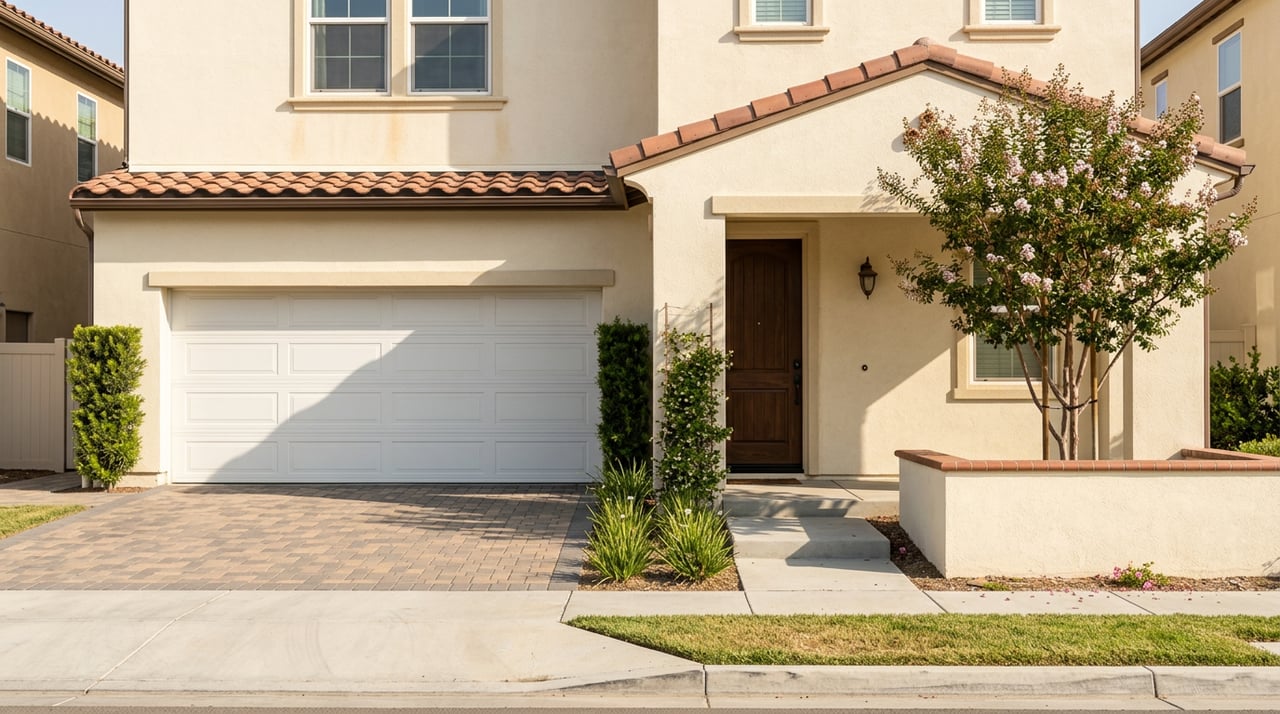
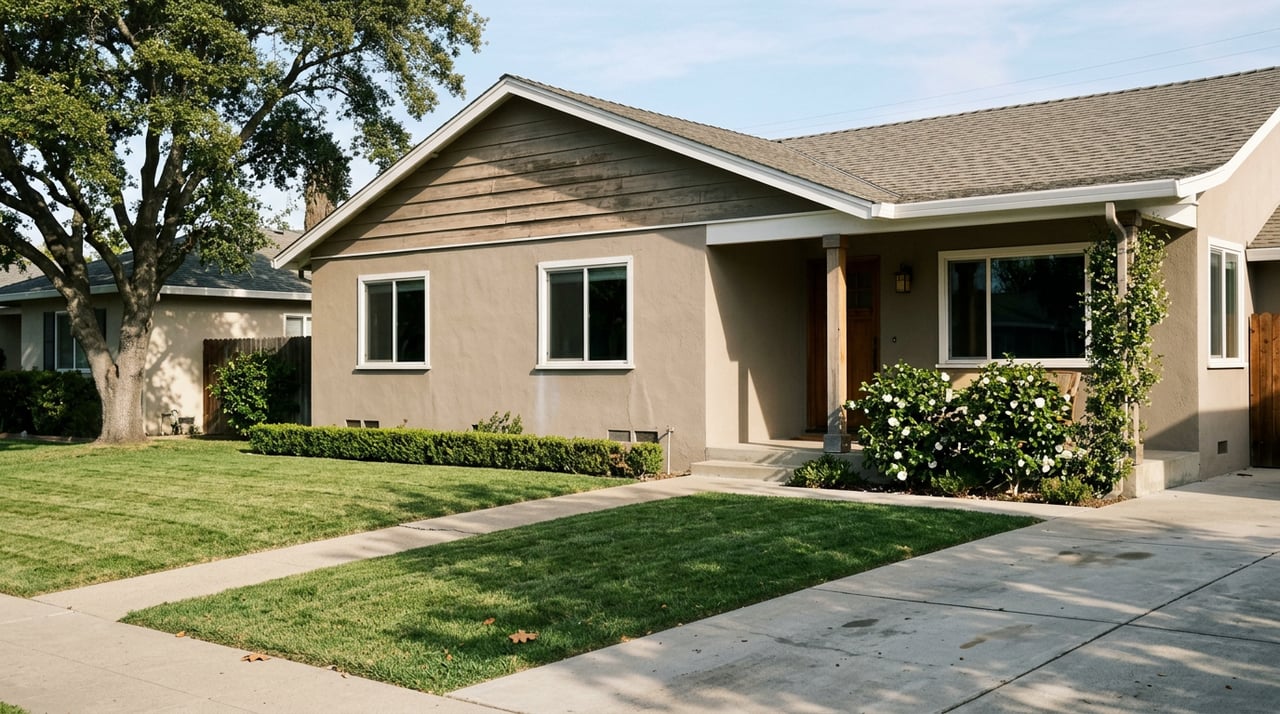
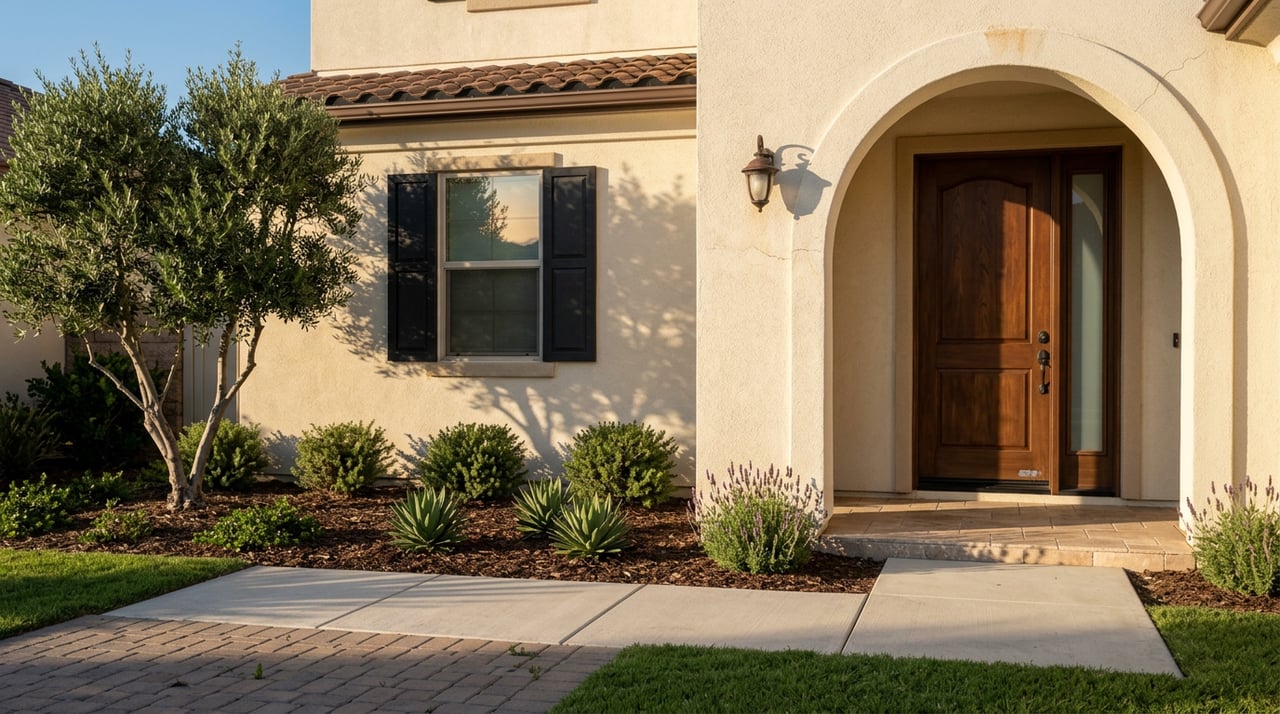
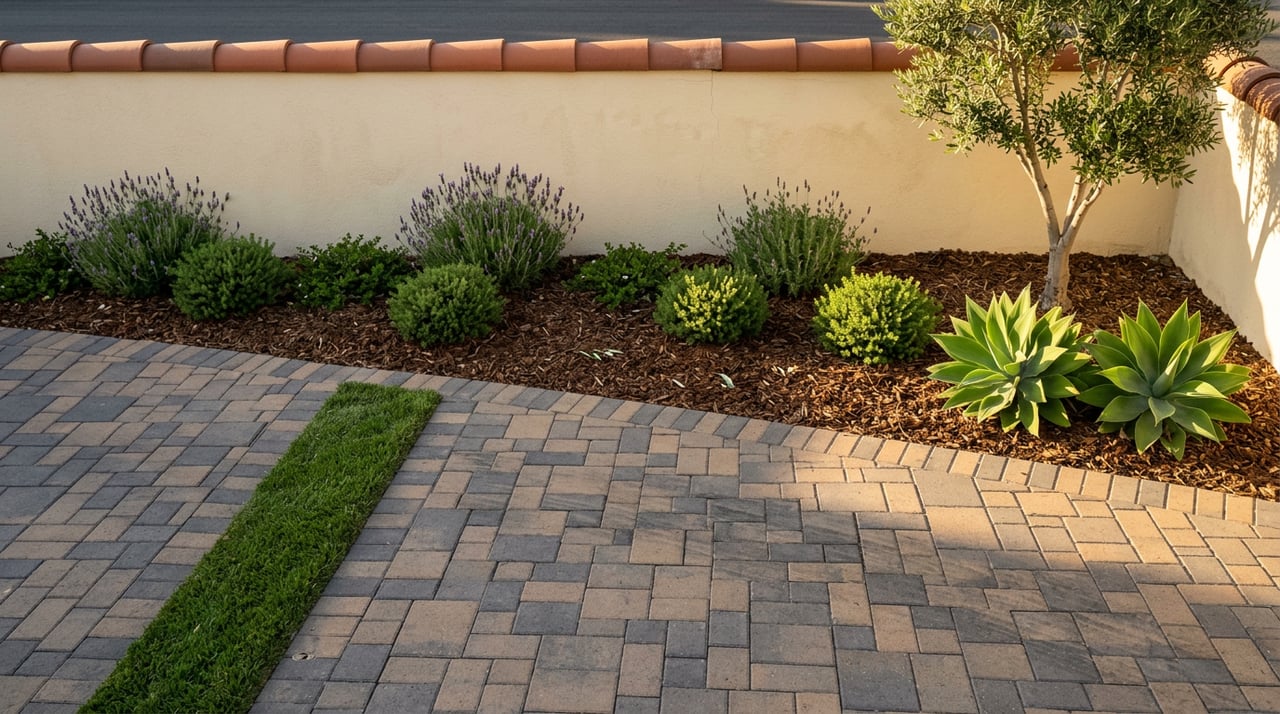
We provide the expertise, resources, and cutting-edge tools you need to navigate the real estate market with confidence. Whether you're buying or selling, we offer insights and solutions that set us apart. Stay informed about the latest market trends and let us guide you every step of the way.
Brad Kerr Team
BRAD KERR | CA DRE# 01182768
[email protected]
(714) 366-0990
3261 N HARBOR BLVD FULLERTON CA 92835