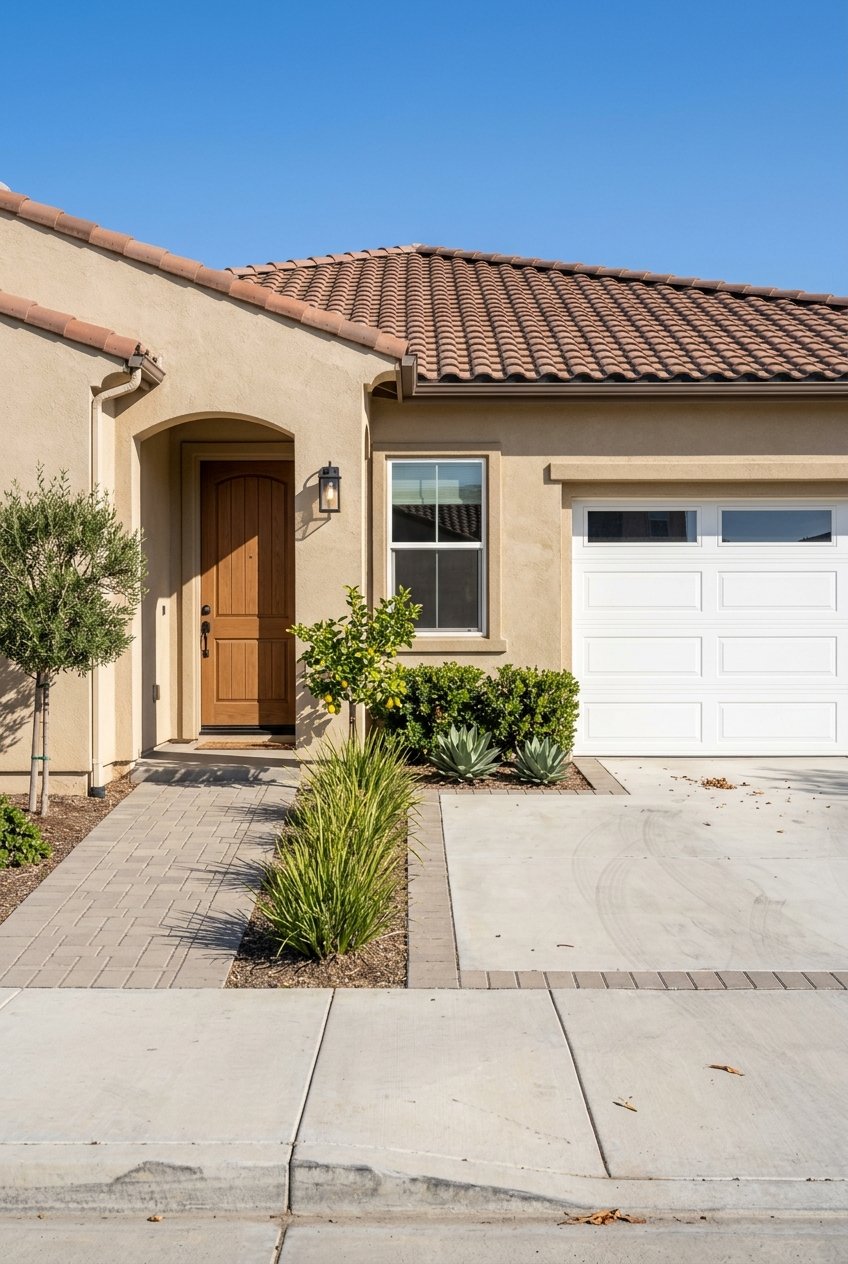
Sell a Home in Orange CA With the Right Strategy
Selling a home in Orange is not just about deciding when to list. It is about choosing the right path before you ever hit the market. If you are wondering whether to sell as-is, do a few cosmetic updates, or take on a bigger renovation, you are asking the right question. The good news is that Orange’s competitive market gives many sellers options, and the best strategy usually comes down to your home’s condition, your timeline, and your comfort with risk. Let’s dive in.
Orange is a very competitive market. Over the three months ending April 2026, homes in Orange received an average of four offers, sold in about 36 days, and had a median sale price of $1,201,879. Redfin also reported that the average home sold about 1 percent above list price, while hot homes sold about 3 percent above list and went pending in around 21 days.
That matters because a strong market does not mean every seller should spend heavily before listing. In many cases, buyers are already active and willing to compete. The bigger question is whether your home will show well against nearby listings and whether any pre-sale work is likely to improve your net results.
Countywide conditions support that same idea. In March 2026, Orange County had 7,276 homes for sale, a median listing price of $1,348,944, a 100 percent sale-to-list ratio, and a median of 43 days on market. Realtor.com also reported 206 homes for sale in Orange itself, which points to a seller-leaning environment but still one where presentation and pricing matter.
Before you choose a sale strategy, it helps to get clear on what matters most to you. Some sellers want the highest possible price, even if that means extra prep time. Others want simplicity, speed, or less out-of-pocket cost.
Your best option usually comes down to three factors:
In Orange, this decision is especially important because the housing stock is often older. The city’s housing element reported that 67 percent of owner-occupied homes were built before 1980, and 19 percent were built before 1960. Older homes can have charm and strong buyer appeal, but they may also need a more thoughtful pre-sale plan.
A traditional listing is often the simplest choice when your home is already structurally sound, functional, and in line with neighborhood expectations. If buyers can walk in and feel that the home is clean, well-maintained, and fairly priced, you may not need a major project to attract offers.
In Orange’s current market, this can be a smart route for sellers who have already kept up the home over time. When homes are selling near or above list price and drawing multiple offers, a full remodel may not be necessary just to compete.
This strategy tends to work best when your home:
For many sellers, the question is not whether to renovate everything. It is whether the home already presents well enough to earn strong buyer interest.
If your home is clean and functional but feels visually dated, a light refresh is often the best middle path. This approach focuses on the changes buyers notice first without taking on the cost and uncertainty of a full renovation.
The 2025 NAR staging report found that the most common recommendations to sellers were decluttering the home, cleaning the entire home, and improving curb appeal. The same report found that 29 percent of agents said staging increased the offered price by 1 to 10 percent, and 49 percent said staging reduced time on market.
That does not mean every seller needs to overprepare. It does suggest that visible, practical improvements can meaningfully shape buyer perception.
A light refresh may include:
For Orange homeowners, this is often where the best return lives. You improve how the home shows, avoid a long construction timeline, and keep your budget focused on updates buyers actually notice.
A deeper renovation can make sense, but only when it solves a real market problem. If your home has clear deferred maintenance, functional obsolescence, or finishes that fall well behind nearby competing listings, larger updates may help reposition it.
Still, bigger spending does not always mean better resale results. NAR’s 2025 Remodeling Impact Report showed that smaller, visible projects often recover more cost than broad remodels. Reported cost recovery estimates included 100 percent for a steel front door replacement, 80 percent for a fiberglass front door, 74 percent for vinyl windows, 60 percent for a minor kitchen upgrade, and 50 percent for a bathroom renovation.
The takeaway is simple. If you are going to renovate before selling, be selective. The best projects usually improve first impressions, solve a buyer objection, or move the home into a meaningfully stronger comparison set.
A deeper renovation may make sense when:
This is where experienced local guidance matters. A renovation should support your sale strategy, not become a side project that delays your move and eats into your proceeds.
In Orange, pre-sale work is not only about design and budget. It is also about process. The City of Orange Building Division oversees plan review and construction compliance, and permit applications are handled through the city’s Civic Portal.
That means permit planning should happen early if you are considering more than cosmetic work. Waiting until the last minute can affect your listing timeline and create avoidable stress.
Historic-district status can also change the equation. The city states that most exterior changes in Old Towne require review for compliance with historic preservation standards. Exterior work affecting Eichler homes must also comply with the Orange Eichler Design Standards.
If your property falls into one of these categories, your strategy should account for that from day one. A simple exterior update in another neighborhood may involve an added review step in a historic area.
An as-is sale is often the cleanest option when speed, convenience, or certainty matter more than squeezing out every possible dollar. This can be especially useful in inherited property situations, estates, or homes with substantial deferred maintenance.
Selling as-is does not mean doing nothing. It means you are choosing not to make repairs or upgrades before closing, while still marketing the property and disclosing what is required under California law.
In California, disclosure obligations still apply. California Civil Code Section 1102 applies to single-family residential transfers, and any waiver of those disclosure requirements is void as against public policy. The California Department of Real Estate explains that the Real Estate Transfer Disclosure Statement covers the property’s physical condition and potential hazards or defects and is not a warranty.
There may also be additional required disclosures depending on the home. Federal law requires lead-based paint disclosure for most homes built before 1978. California Natural Hazard Disclosure rules can also apply to issues such as flooding, very high fire hazard severity zones, earthquake fault zones, seismic hazard zones, and wildland fire areas when relevant.
An as-is sale can still be a strong strategy when the goal is to reduce hassle and move forward with a clear plan.
If you are not sure which route makes sense, start with the least expensive option that allows the home to show well. In many Orange sales, that means beginning with basic prep and only moving into larger updates when there is a clear reason.
A practical decision framework looks like this:
| If your situation is... | A likely strategy is... |
|---|---|
| Home is clean, functional, and competitive | Traditional listing |
| Home shows well but feels dated | Light refresh before market |
| Home has major condition or layout issues | Selective deeper renovation |
| You want speed or want to avoid repair risk | As-is sale |
This kind of plan helps you stay focused on outcome, not emotion. You do not need to renovate just because the house is older. You need to choose the strategy that best supports your timeline, your comfort level, and your likely net result.
Orange is not a one-size-fits-all market. You have older housing stock, historic review considerations in certain areas, and a competitive environment where the right presentation can matter as much as the right price.
That is why a thoughtful sale strategy matters before you start spending money. A seller-focused plan should consider your home’s condition, likely buyer expectations, local comparables, permit questions, and how to position the property for the market that exists now.
The Brad Kerr Team takes a practical, marketing-first approach to that process. Whether your home needs a simple listing plan, a polished refresh, or more hands-on pre-sale guidance, the goal is the same: help you make smart decisions that support a smoother sale and stronger result.
If you are thinking about selling in Orange, the best first step is a clear strategy conversation. The Brad Kerr Team can help you evaluate your home, weigh your options, and choose the sale approach that fits your goals.
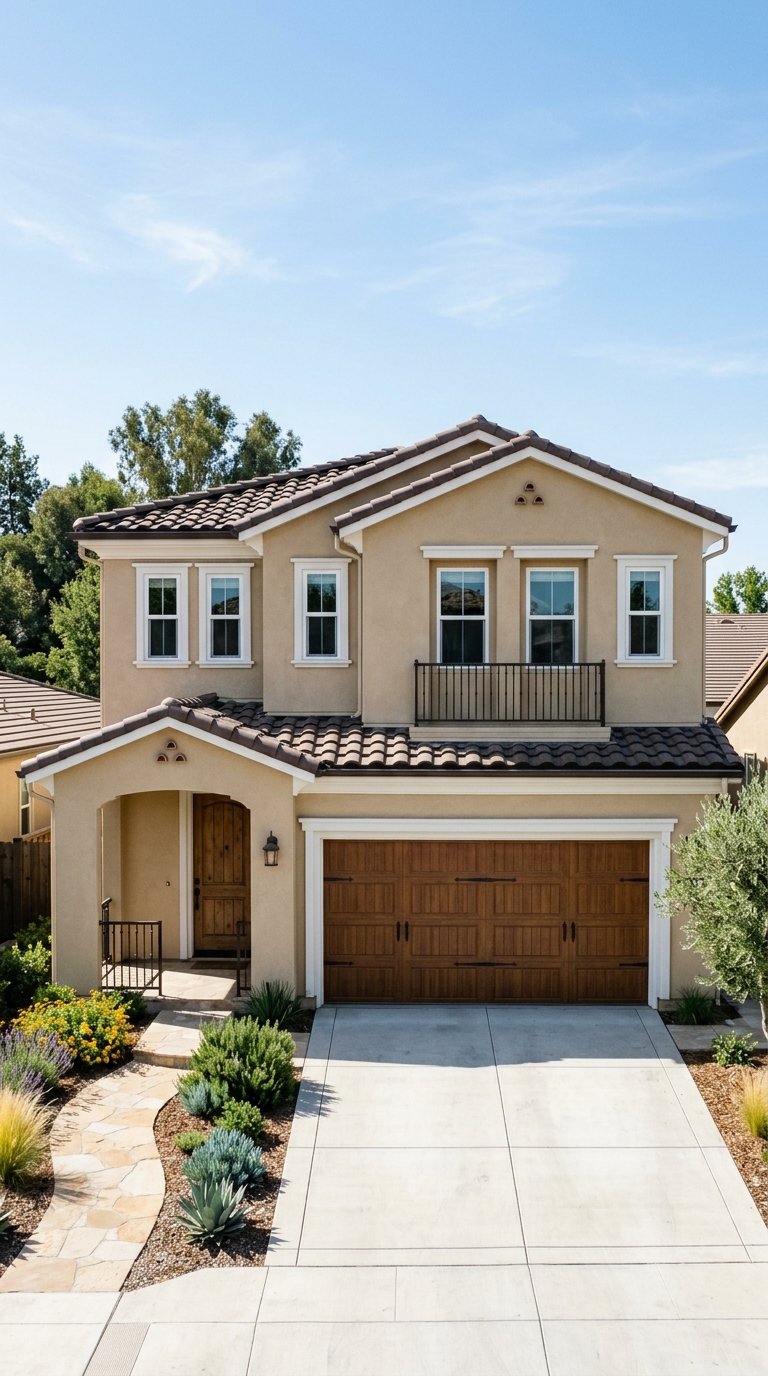
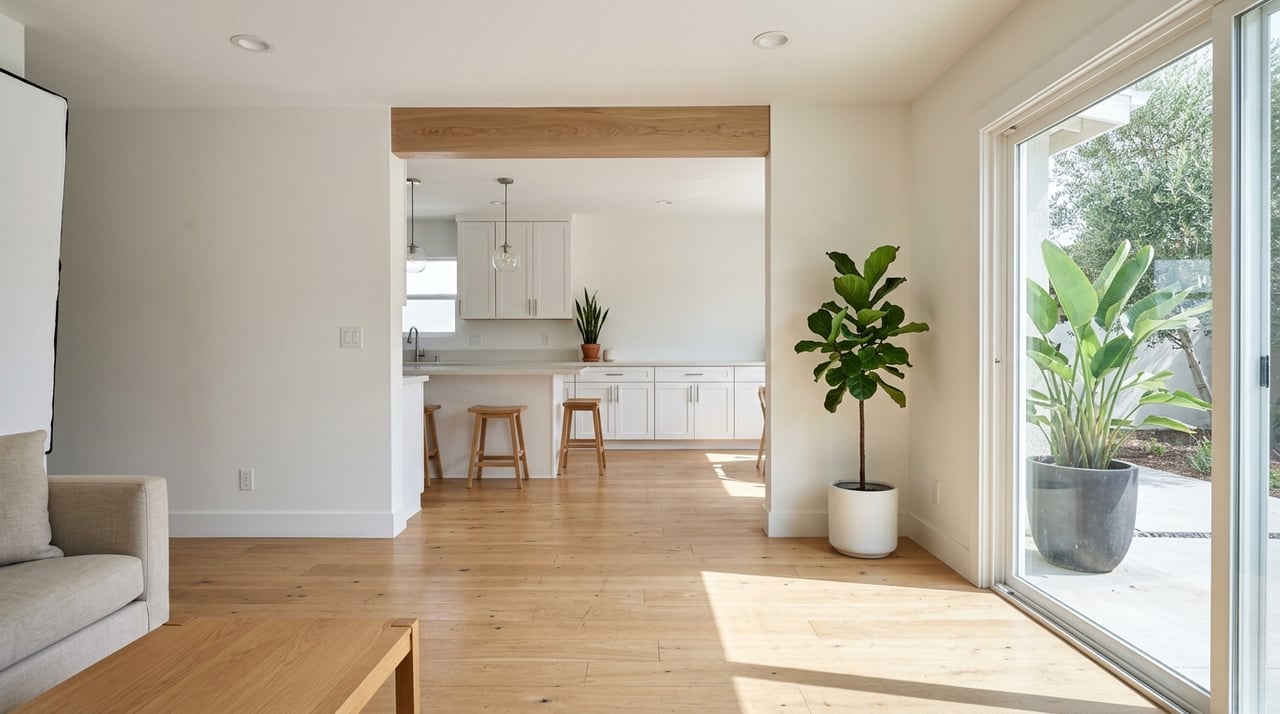
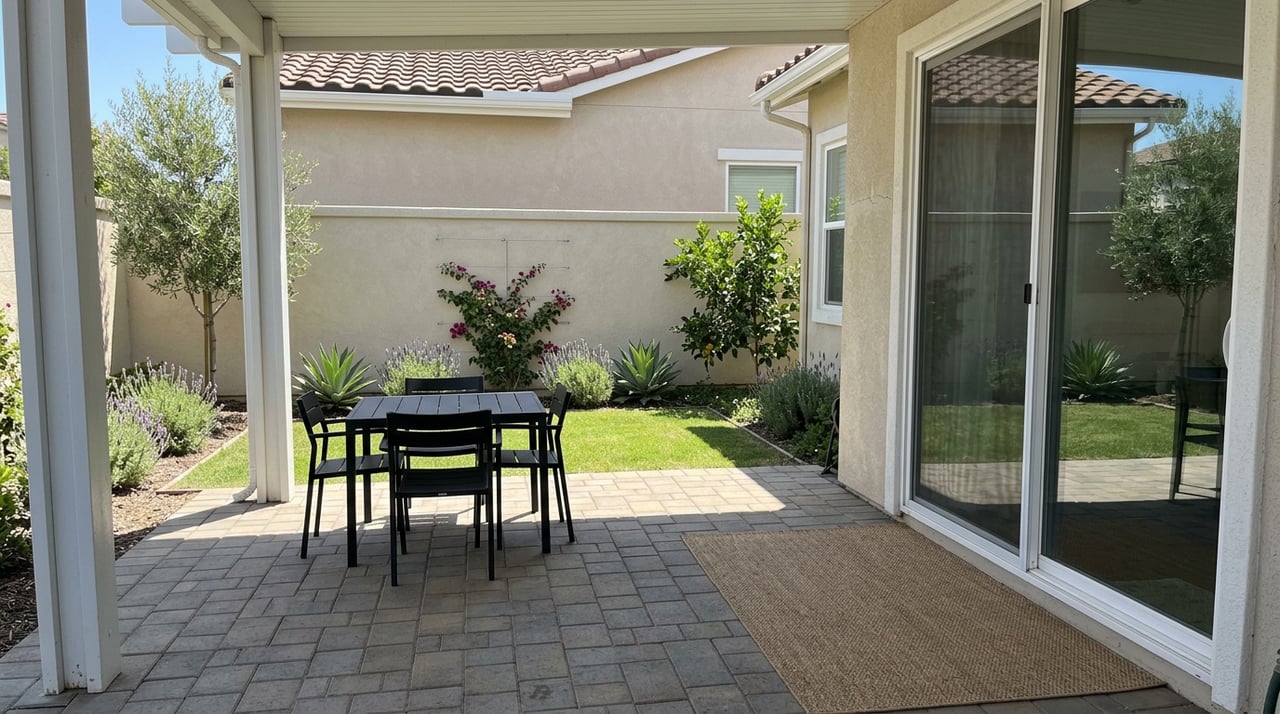
We provide the expertise, resources, and cutting-edge tools you need to navigate the real estate market with confidence. Whether you're buying or selling, we offer insights and solutions that set us apart. Stay informed about the latest market trends and let us guide you every step of the way.
Brad Kerr Team
BRAD KERR | CA DRE# 01182768
[email protected]
(714) 366-0990
3261 N HARBOR BLVD FULLERTON CA 92835